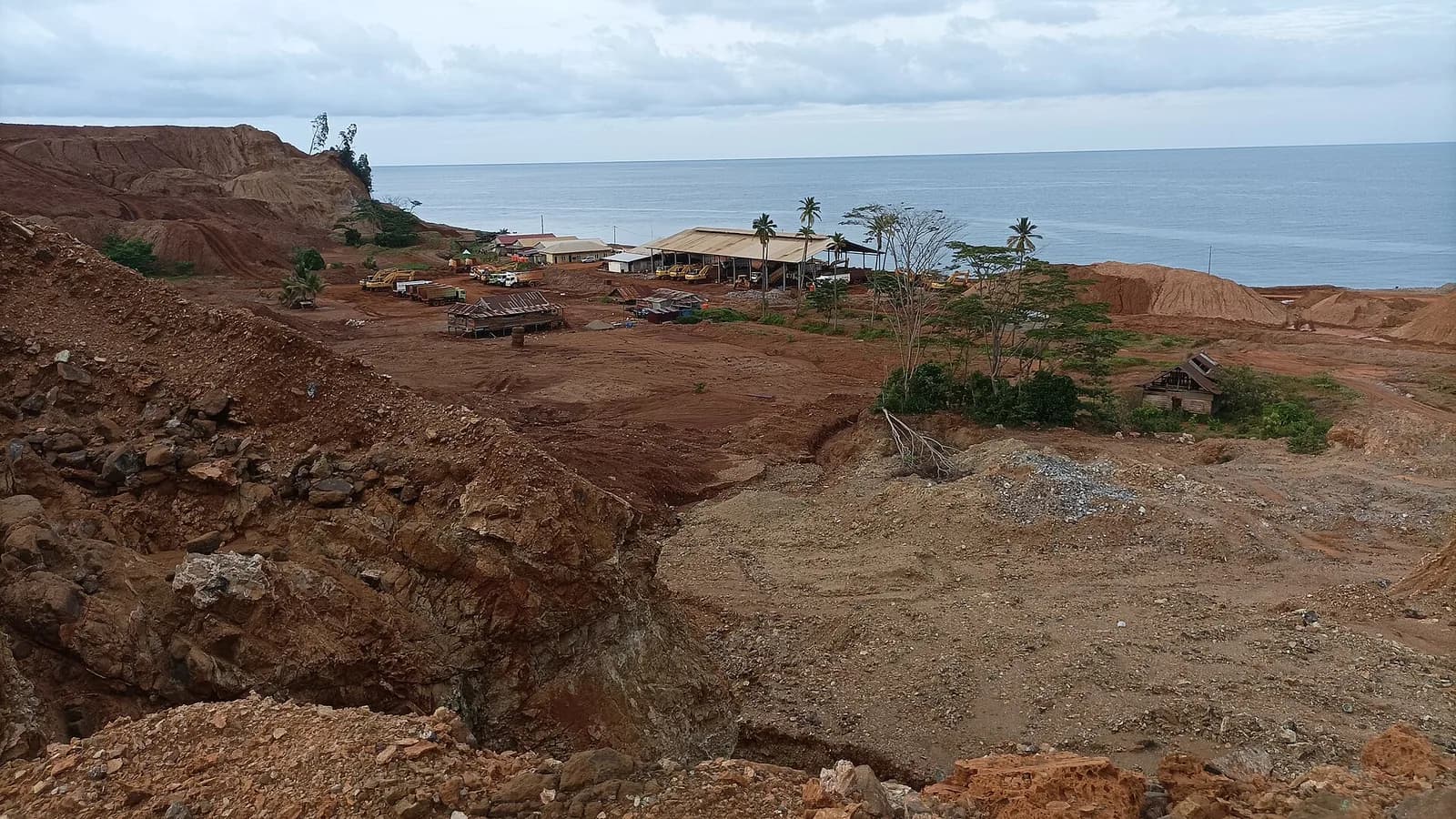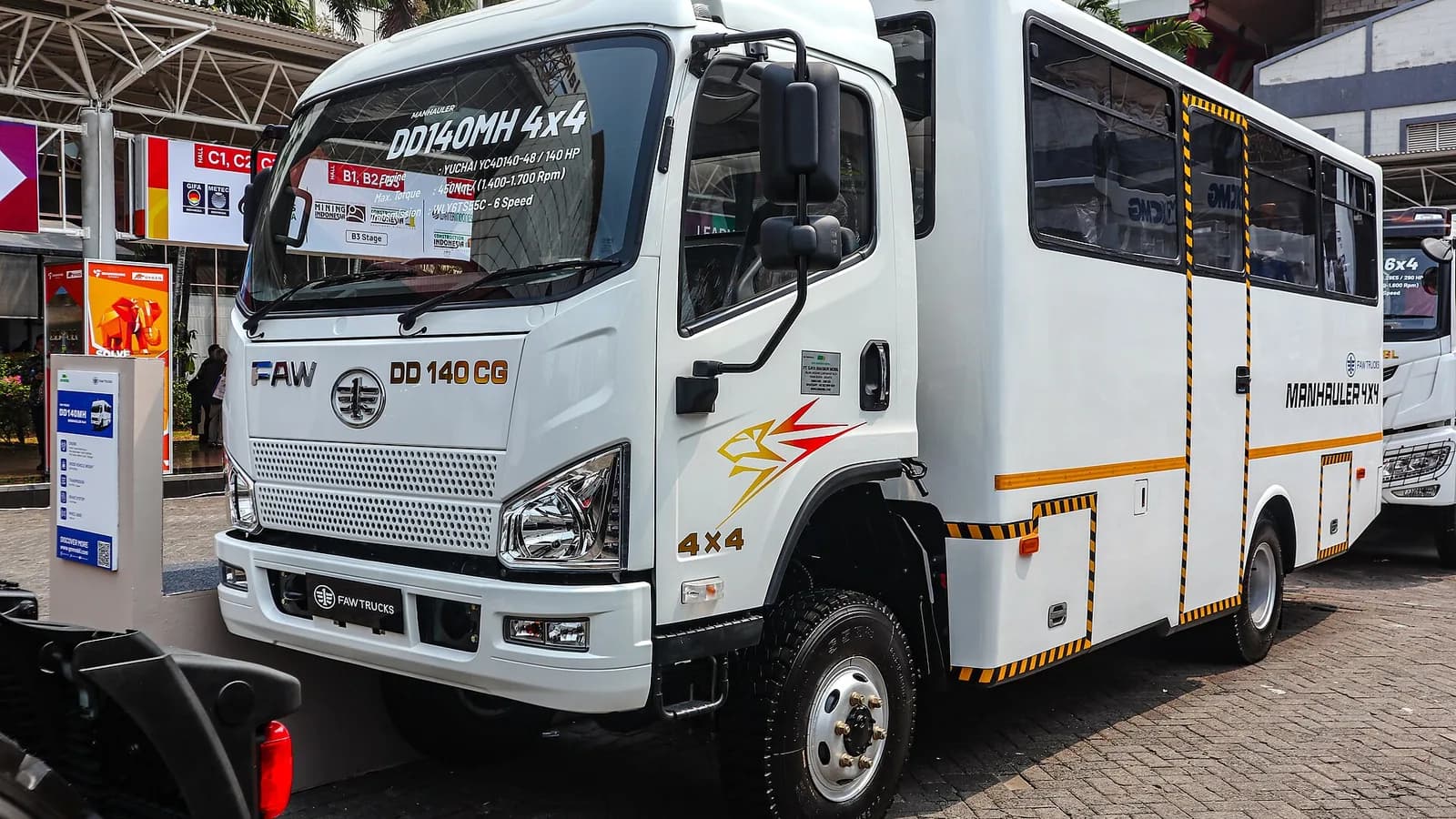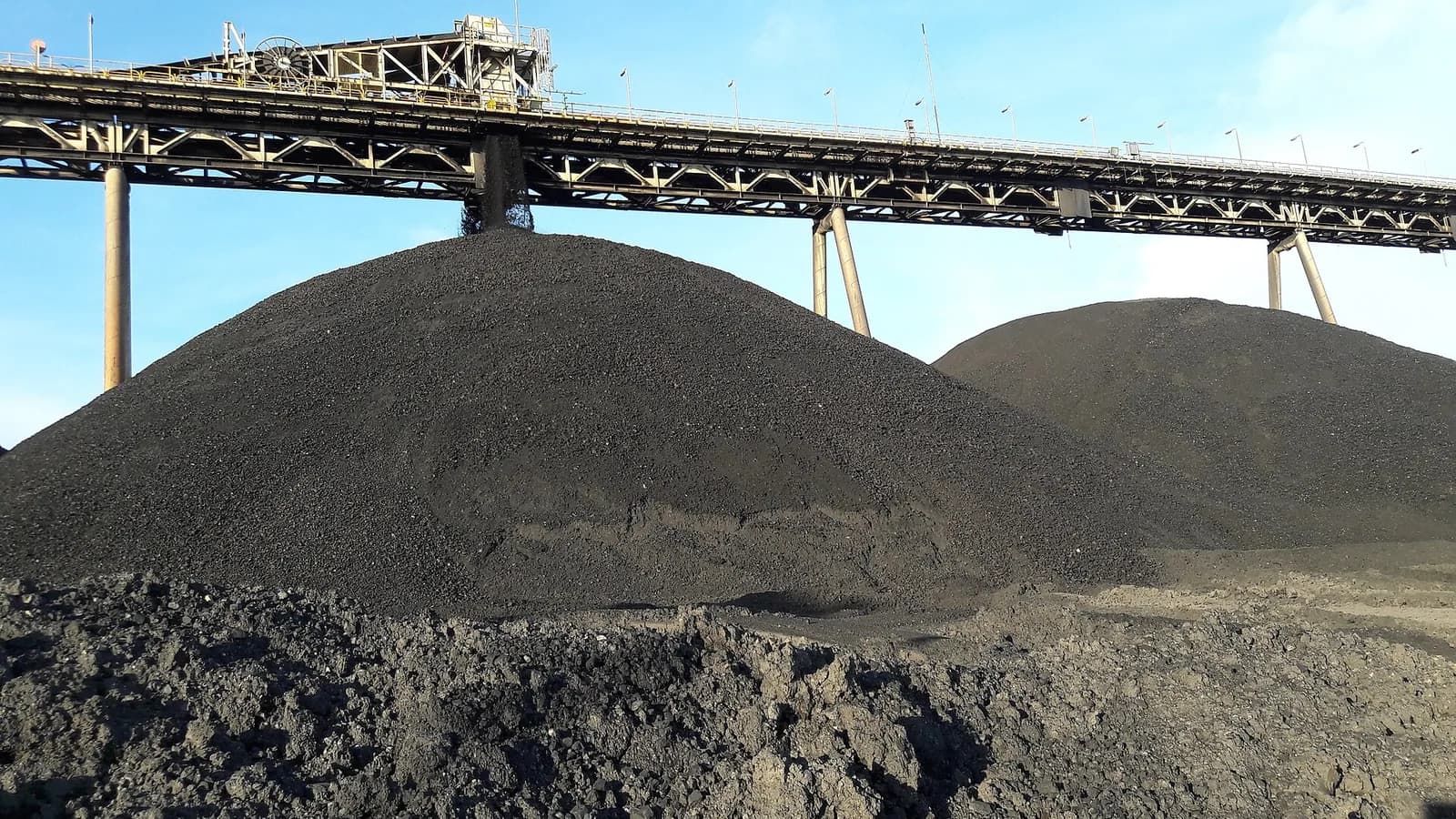
Indonesia's mining and quarrying sector employed about 1.66 million people in 2023 — roughly 1.2% of the country's total employment — and contributed about 11% of GDP, down from 12% a year earlier. The licences behind that output are held by companies. The authority to run a mine on the ground is held by a named person whom the state has to approve first.
That person is the Kepala Teknik Tambang — the head of mine engineering, abbreviated KTT. Under the Ministry of Energy and Mineral Resources regulation on good mining practice, an IUP or IUPK holder must appoint a KTT as the highest field leader and obtain the *pengesahan* — the formal approval — of the Kepala Inspektur Tambang (KaIT), the ministry official responsible for mining engineering and environmental supervision. The obligation bites before the company starts operating: an exploration or production licence holder must designate its KTT before beginning its business activity, and the designation only counts once KaIT has approved it.
This is the part of Indonesian mining that an org chart drawn in a head office does not show. A project needs a licence to exist; it also needs a state-approved technical leader to run, and both that leader and the workforce beneath the leader are governed by competency rules. This article reads those rules from the instruments that set them out — Ministerial Regulation No. 26 of 2018 on the implementation of good mining practice, the Ministerial Decree No. 1827 K/30/MEM/2018 that elaborates it, and Government Regulation No. 96 of 2021, which sets the order in which a mine may hire.
The posts that need approval
Four senior field positions in the mineral and coal sector are subject to state approval, and they are not interchangeable with a corporate title.
| Position | What it leads | Who approves it |
|---|---|---|
| KTT — Kepala Teknik Tambang | the mine's field organisation; responsible for operations being run under good mining practice | The Kepala Inspektur Tambang (KaIT), at the ministry or the provincial mining office on KaIT's behalf |
| KTBT — Kepala Tambang Bawah Tanah | the underground mine, reporting to the KTT | KaIT |
| PTL — Penanggung Jawab Teknik dan Lingkungan | the processing and/or refining facility | KaIT |
| PJO — Penanggung Jawab Operasional | a mining-services company (IUJP) working at the site, reporting to the KTT/PTL | the KTT |
The regulation defines the KTT plainly: the person holding the highest position in the mine's field organisational structure, who leads and is answerable for the conduct of mining operations in accordance with good mining practice. An IUP or IUPK holder conducting underground mining must additionally appoint a KTBT and have it approved; a holder running a processing or refining facility appoints a PTL in place of a KTT and must have that approved too. Mining-services companies operating under someone else's licence appoint a PJO, whose approval sits with the KTT rather than the ministry — a detail worth noting, because it puts the services contractor inside the licence holder's chain of responsibility rather than beside it.
A holder may also appoint a deputy KTT or deputy PTL, at KaIT's discretion, where it is considered necessary; the deputy must hold a competency certificate at the level of the principal post, or one level below it.
Four classes of KTT, three certificates
There is no single KTT qualification. The guideline sorts the post into four classes, keyed to how the mine is worked, how much it produces, and how many people it employs — and each class answers to a different competency certificate. The certificates form a ladder: Pengawas Operasional Pertama (POP), then Madya (POM), then Utama (POU).
| Class | Typical scale (as set out in the guideline) | Certificate required |
|---|---|---|
| KTT Kelas IV | for the holder of a *people's mining licence* (IPR) | a qualification certificate recognised by KaIT, or completion of education/technical guidance on good mining practice |
| KTT Kelas III | exploration; and production by hydraulic mining, drilling, single-bench open pit, quarry, dredger or suction vessel. Coal open pit up to 150 tonnes/day; quarry or non-metal rock up to 250 tonnes/day; metal ore by hydraulic mining or dredge up to 1 tonne of ore/day; no explosives; up to 50 workers | POP |
| KTT Kelas II | production by hydraulic mining, open pit, quarry, dredger or suction vessel. Coal open pit up to 500 tonnes/day; open-pit metal ore up to 1,500 tonnes of ore/day; hydraulic mining or dredge up to 5 tonnes of ore/day; up to 200 workers | POM |
| KTT Kelas I | open-pit coal above 500 tonnes/day; all underground coal mining at every production capacity; metal ore by hydraulic mining above 5 tonnes/day and open-pit metal ore above 1,500 tonnes of ore/day; metal rock or non-metal minerals from 500 tonnes/day, and underground non-metal mining at all capacities; more than 200 workers | POU |
Two things follow from the table. The first is that scale, not commodity, decides the class: a small coal pit and a small quarry sit in the same class until volume separates them, and underground coal mining is treated as top-class work at any size. The second is that the certificate is a real gate, not a formality — the class of mine a person may lead is fixed by the certificate they hold, and moving up a class means moving up the ladder.
If the technical leader is a foreign national
The guideline contemplates a foreign KTT, and sets two conditions on it.
A foreign national may be approved as KTT if they hold a competency certificate matching the class of KTT applied for, or a *Mine Manager Certificate* or equivalent certificate issued in their home country and recognised by KaIT — and if they have completed education and training on the laws and policies governing the application of good mining practice in Indonesia.
There is then a clock. Once a foreign national has been approved as KTT, they must pass the Indonesian language proficiency test (Uji Kemahiran Berbahasa Indonesia) at a predicate of at least *madya* within six months. KaIT may revoke the approval if that has not been achieved within the period set. The same six-month rule applies to a foreign PTL.
Read together, those clauses describe a post that is open to a foreigner but only conditionally: the technical credential can be carried in from abroad, subject to recognition, but the language requirement is set in Indonesian and enforced on a deadline that can cost the appointee their approval.
The hiring order: local, then national, then foreign
The workforce is sequenced by Government Regulation No. 96 of 2021. An IUP or IUPK holder must prioritise local workers (*tenaga kerja setempat*). Only where local workers with the required competence and skill are not available may the holder use national workers; and only where national workers with the required competence and skill are not available may the holder use foreign workers — and then only after obtaining approval from the ministry that handles manpower.
That is a three-step test in which each step is conditional on the one before it. It is also a rule a foreign investor should read precisely: it does not prohibit foreign hires, it demotes them to the last resort, gated on a competence judgement and on a government approval.
Two further duties shape the workforce over time. Under the 2018 regulation, an IUP/IUPK production holder and a processing/refining licence holder must carry out development of technical mining workers, in line with the annual work plan and budget (RKAB) that has been approved: drawing up a competency-development programme, running it for local and national workers, carrying out the transfer of technology, expertise and skills, and carrying out the transfer of foreign workers to local or national workers. For mining-services companies, the same regulation makes the customer owe its community and region a measure of preference — domestic products, local subcontractors according to their competence, local workers, and local spending.
The people underneath the KTT
The KTT is not the only certified person on site. The guideline distinguishes two further categories of qualified personnel.
Technical mining personnel must have at least three years of experience in their field and a competency certificate for the work they do; they answer to the KTT. The technical planning of a mining operation — exploration, feasibility study, construction and commissioning, extraction, processing, hauling, and post-mining technical management — must be drawn up by personnel of that standard. So must the plans and progress maps of the operation, with mine surveyors sitting in this category.
Orang yang Berkompeten — Competent Persons, in the sense used for reporting — must have at least five years of experience in reporting exploration results and/or estimating mineral resources and reserves for the same commodity, and a competency certificate in that field. A Competent Person is responsible for the report they produce, and the KTT must submit the list of Competent Persons working in their area of responsibility to the Director General.
The approval process itself is documentary and scheduled. The application is filed by the licence holder and must include the application letter, a copy of the IUP, a stamped statement from the company's highest leader supporting the candidate, the candidate's curriculum vitae, the competency certificate registered at the Directorate General of Mineral and Coal (or a qualification certificate recognised by KaIT), an organisation chart showing the candidate's position, any earlier approval held, and a stamped statement that the documents are true. The standard-service table in the guideline allots two working days for the administrative completeness check, ten days for the evaluation, and a further period for issuing the approval letter; where the evaluation warrants it, a presentation and discussion is held before the letter is drafted.
What it means for an investor or an incoming professional
Five consequences follow directly from the rules above.
- The person who runs the mine is a regulatory appointment, not an internal promotion. A general manager of operations cannot simply be named and start; for an IUP/IUPK holder the post is only valid once KaIT has approved it, and the appointment must be in place before operations begin.
- Foreign operational leadership carries a language deadline. A foreign KTT may be approved on the strength of a recognised Mine Manager Certificate, but the approval is revocable if the *madya* Indonesian-language result does not arrive within six months. Plan for that clock, and for the training requirement, before signing a contract.
- The competency certificate fixes the ceiling. A mine is led by whoever holds the certificate matching its class. Bringing in a manager whose certificate sits a class below the operation is not a staffing choice the framework supports.
- Foreign hiring is the last resort by regulation, not by preference. The IUP/IUPK holder must be able to show that local, and then national, workers with the competence were not available before a foreign worker may be engaged, with ministry approval on top.
- Workforce development is a work-plan obligation. The competency programme, the skills transfer and the transfer of foreign workers toward local or national staff are tied to the annual RKAB the government approves — so they sit in the same document as the production plan.
Catatan Teramine
This section is Teramine's editorial assessment. It is not a provision of any regulation, not a quotation from a source, and not legal advice.
The interesting design choice here is where the state puts its approval. Indonesia does not license the *company's* choice of manager; it licenses the *post*, and it licenses the post by competence class. That is a more demanding instrument than a licensing condition that simply requires a qualified person to be employed, because it means the class of a mine and the class of its technical leader have to match — a mine cannot be upgraded by hiring a better manager than its certificate allows, nor run in the meantime by one whose certificate is too small for it.
The foreign-manager clauses are the sharpest edge, and they cut in one direction. The technical credential is portable — a Mine Manager Certificate from home can be recognised — but the language requirement is not, and it is enforced on a six-month clock with revocation as the remedy. For a project weighing a foreign KTT against a national one, that is a real operational cost, not a formality: a mine whose approval can lapse is a mine with a live risk in its leadership continuity.
Finally, the hiring order and the development duty should be read as one policy rather than two. Preferring local workers, then national, then foreign, and separately obliging the holder to move foreign workers out of their posts and into local or national hands, describe the same intent — that foreign labour is a bridge, and that the bridge is meant to be crossed. An investor who plans headcount on the assumption that foreign specialists stay in place indefinitely is planning against the direction of the rule.
We handle the permit and approval work behind a licence — IUP and IUPK applications, RKAB, and the operating documents a project must hold — through [mining permit services](/en/layanan-izin). Mining opportunities offered for take over, joint venture and joint operation are listed on the [mining marketplace](/en/marketplace), each with its commodity, location and scheme stated.
Related reading on this site: [IUP vs IUPK](/en/news/iup-vs-iupk) for how the two industrial licences differ; [Foreign Ownership in Indonesian Mining](/en/news/foreign-ownership-indonesian-mining) for the divestment clock that runs with a foreign-held IUP; [What is RKAB in Indonesia](/en/news/what-is-rkab-indonesia) for the annual work plan and budget that carries the workforce-development duty; and [Artisanal and Small-Scale Mining in Indonesia](/en/news/artisanal-small-scale-mining-indonesia) for the small-scale licences that sit below the industrial route.
What this article does not establish
- Whether either 2018 instrument has been amended since. Both were read as published on JDIH ESDM. We did not find or read a later amendment to either, and this article does not claim that none exists.
- How the approval works in current practice. The two-day, ten-day and issuance periods are those printed in the guideline's standard-service table, not measured turnaround times.
- Any figure for the number of certified KTTs, or for foreign workers in the sector. No source read for this article states either, and none has been estimated here.
- Any specific requirement on the share of foreign workers a company may employ. The rule read is a sequence of preference with a ministry approval, not a quota; no quota figure appears in the sources read.
Sources
All four documents below were read in full text for this article. Indonesian provisions are translated into English here; the translation is Teramine's, and every figure above is the figure printed in the source.
- Keputusan Menteri ESDM No. 1827 K/30/MEM/2018 — Pedoman Pelaksanaan Kaidah Teknik Pertambangan yang Baik (Ministerial Decree on the Guideline for Implementing Good Mining Engineering Practice), dated 7 May 2018, JDIH Kementerian ESDM. Used for: the classification of the KTT into Classes IV, III, II and I with their production, method, explosives and headcount criteria; the POP, POM and POU competency certificate required for each class; the criteria for the PTL and KTBT; the rule that a foreign national may be approved as KTT on a certificate matching the class or a Mine Manager Certificate recognised by KaIT, plus training on Indonesian good-mining-practice law, and must pass the Indonesian language proficiency test at *madya* within six months or have the approval revoked (and the same six-month rule for a foreign PTL); the requirement that a competency certificate be registered at the Directorate General of Mineral and Coal; the documentary requirements and the two-day, ten-day and issuance service periods for the approval; the duties and responsibilities of the KTT; the threshold of three years' experience plus a competency certificate for technical mining personnel; and the threshold of five years' experience plus a certificate for a Competent Person, whose list the KTT must send to the Director General.
- Peraturan Menteri ESDM No. 26 Tahun 2018 — Pelaksanaan Kaidah Pertambangan yang Baik dan Pengawasan Pertambangan Mineral dan Batubara (Ministerial Regulation on the Implementation of Good Mining Practice and the Supervision of Mineral and Coal Mining), JDIH Kementerian ESDM. Used for: the definition of the KTT as the holder of the highest position in the mine's field organisational structure, leading and responsible for operations under good mining practice (Article 1); the obligation on IUP/IUPK holders to appoint a KTT as highest field leader for KaIT approval and to have competent technical mining personnel (Article 7(1)); the underground-mine obligation to appoint a KaIT-approved KTBT reporting to the KTT (Article 7(2) and (3)); the appointment and KaIT approval of a PTL for processing and/or refining (Articles 8 and 10(2)); the appointment of a PJO for mining-services companies with approval by the KTT (Article 9(1)); the requirement to use competent technical mining personnel and to follow the approved annual work plan (Article 12); the duty to develop technical mining workers — competency programmes, development for local and national workers, transfer of technology, expertise and skills, and transfer of foreign workers to local or national workers (Article 37); and, for mining-services companies, the preference for domestic products, local subcontractors according to competence, local workers and local spending (Article 5(4)).
- Peraturan Pemerintah No. 96 Tahun 2021 — Pelaksanaan Kegiatan Usaha Pertambangan Mineral dan Batubara (Government Regulation on the Implementation of Mineral and Coal Mining Business Activities), official salinan published by JDIH Kementerian ESDM. Used for Article 161: the obligation on IUP and IUPK holders to prioritise local workers; the use of national workers where local workers with the required competence and skill are unavailable; and the use of foreign workers, where national workers with such competence and skill are unavailable, only after obtaining approval from the ministry handling manpower.
- U.S. Geological Survey, 2023 Minerals Yearbook — The Mineral Industry of Indonesia (advance release), by Jaewon Chung, U.S. Department of the Interior / U.S. Geological Survey, published June 2025, data year 2023. Used for: employment of about 1.66 million people in mining and quarrying in 2023, representing 1.2% of the country's total employment (citing Badan Pusat Statistik); and the mining and quarrying sector's contribution of about 11% of GDP in 2023, against 12% in 2022.