Most first conversations about buying a mine in Indonesia start in the wrong place — the price. Price is the last question. The first two are whether the permit exists and is clean, and whether the geology has been independently measured. Get those wrong and no discount compensates.
Indonesia's mineral sector is governed by Law No. 4/2009 and its amendment Law No. 3/2020 on Mineral and Coal Mining, administered by the Directorate General of Mineral and Coal under the Ministry of Energy and Mineral Resources.
The Asset Is the Licence
In Indonesia a mining right is granted by permit, and the permit names its commodity, its stage and its holder. Before anything else is discussed, establish:
- Which permit type, and who issued it.
- What commodity it actually covers — not what the seller says the ground contains.
- Exploration or production stage.
- Expiry date, and whether extension is realistic.
- Who holds it, and whether any divestment obligation attaches to that holding.
That last point is not theoretical. In 2024 MIND ID raised its stake in PT Vale Indonesia to 34% as part of the divestment obligation tied to extending that company's operational licence to December 2035. Licence and ownership move together in this jurisdiction, so a buyer who checks only the corporate registry, or only the permit, has seen half the picture.
Diligence That Actually Changes the Outcome
Verify the licence at the source. A scanned copy in a data room is a claim, not evidence.
Read the geology independently. Reserve and grade figures should rest on JORC-compliant reporting. If the only available number was written for a sale document, treat it as marketing.
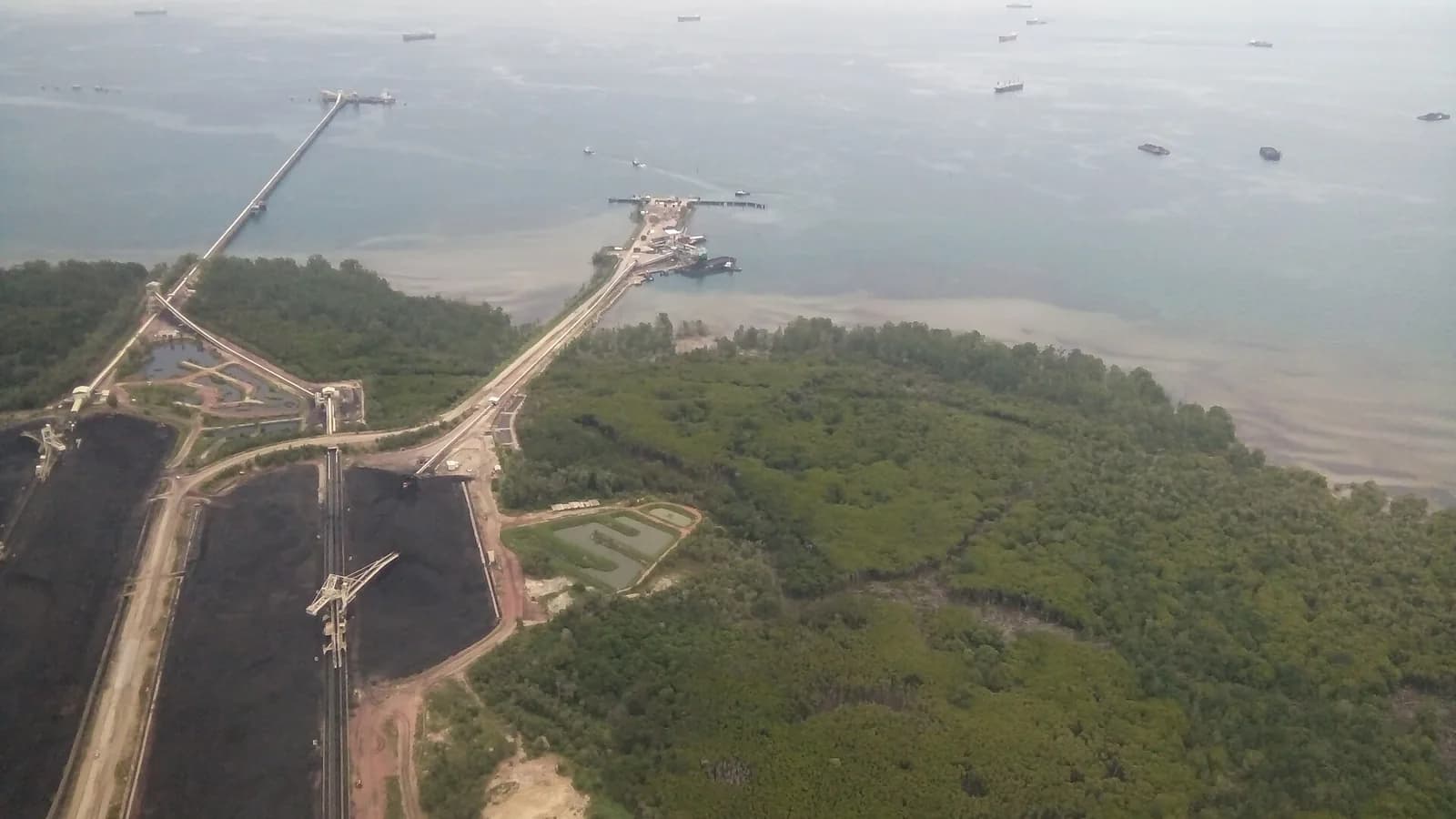
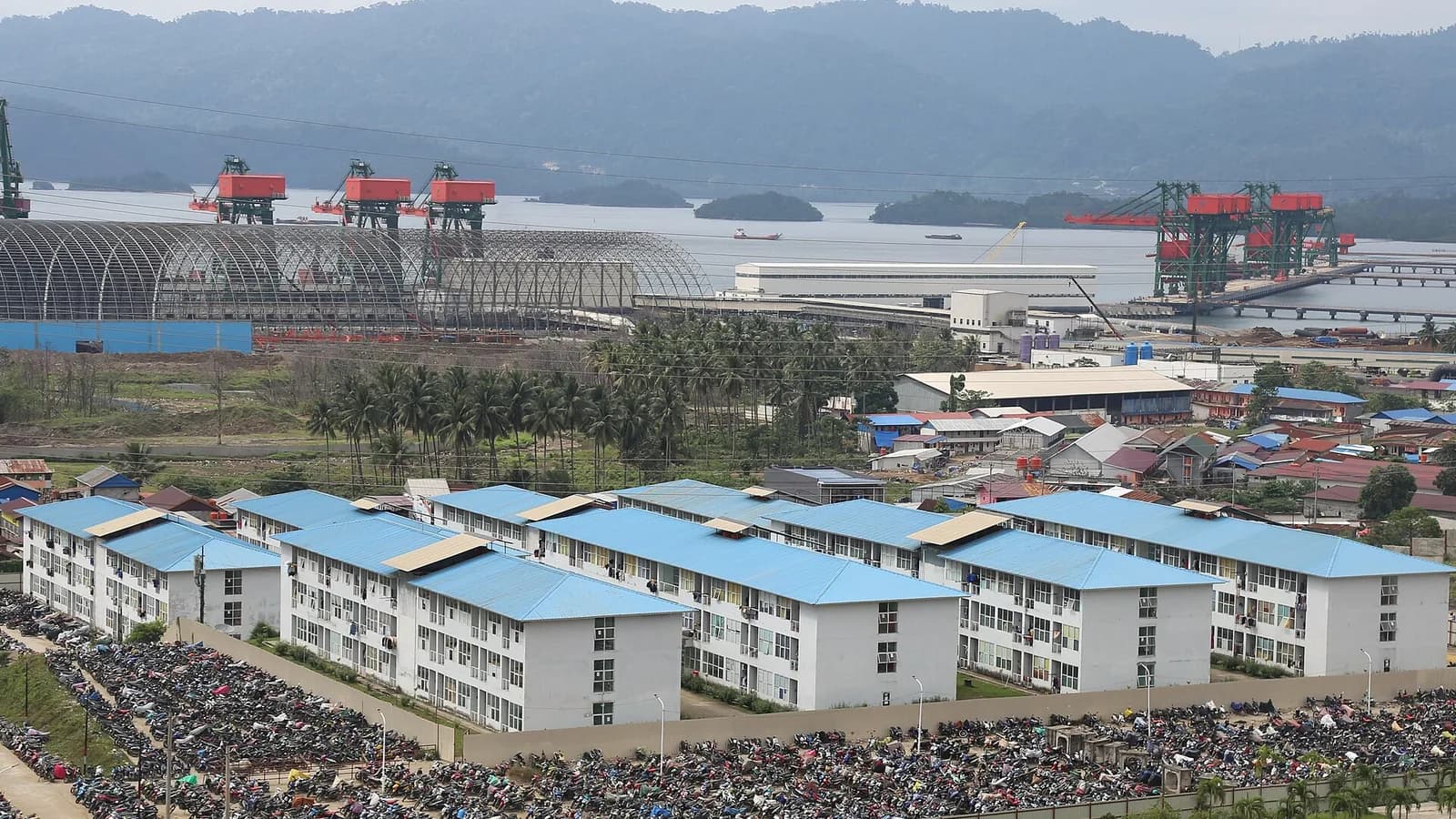
Test the deposit against its surroundings. Distance to a port, haul-road condition, and power and water availability decide economics more often than grade does. A high-grade deposit with no road is a low-grade problem.
Check land status and community agreements. In practice, access disputes stop projects that are technically sound.
Establish the environmental position. Reclamation and post-mining obligations travel with the permit, and they are priced in work, not paperwork.
Three Structures, Three Risk Profiles
| Structure | What you are buying | Where the risk sits |
|---|---|---|
| Take over | Control of the holding company and its permit | Inherited liabilities, permit history |
| Joint operation | A share of output or profit, operator keeps control | Governance, reporting, offtake terms |
| Joint venture | Equity in a project vehicle | Funding calls, dilution, deadlock |
A take over is fastest and carries the most inherited risk. A joint venture is slowest and most flexible. Neither is better in the abstract; the choice follows the permit's condition, not the buyer's preference.
What to Do With a Project That Passes
Once permit and geology hold up, the rest is ordinary commercial work: valuation against comparable transactions, deal structure, funding, and closing. The regulatory work — permit transfers, RKAB, environmental documents — runs alongside that and usually sets the timeline.
Catatan Teramine
This section is Teramine's editorial guidance on how to approach these transactions. It is not legal advice, and it is not a substitute for a licensed Indonesian adviser on a specific deal.
We list Indonesian mining opportunities offered for take over, joint operation and joint venture, each with its commodity, location and scheme stated on the listing. Start on the [mining marketplace](/en/marketplace) if you are screening, or see [mining permit services](/en/layanan-izin) if the constraint is a permit rather than a transaction.
Sources
The legal framework, the MIND ID structure and the PT Vale divestment reference come from the U.S. Geological Survey's Indonesia country profile, which cites Indonesian statute directly.