Indonesia Mining Environment News
News, analysis and current information on Mining Environment in Indonesia for investors and industry professionals.
5 articles
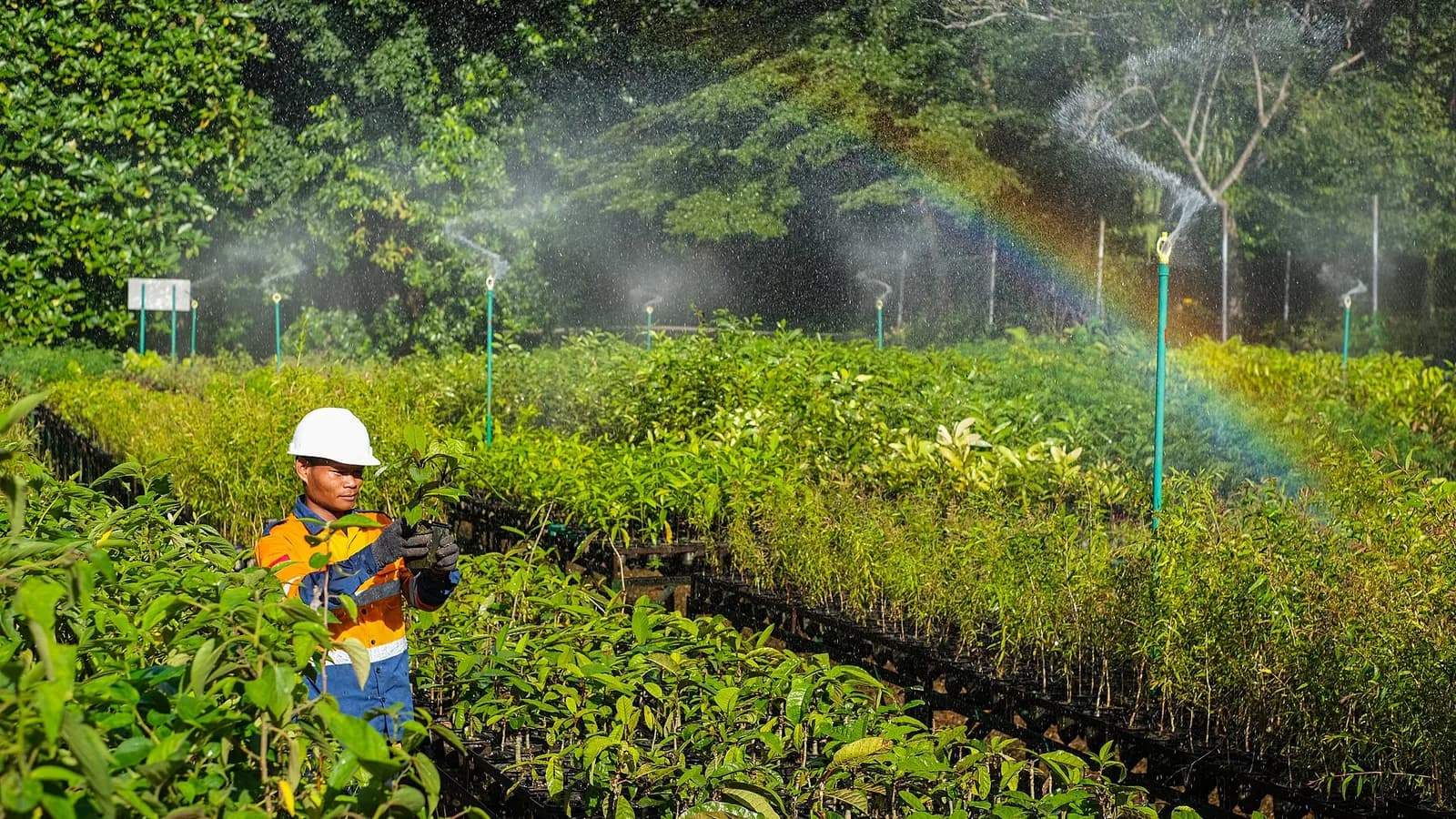
Indonesia's PROPER Environmental Rating: How Mining Companies Are Graded Gold to Black
PROPER is the Indonesian environment ministry's company-by-company performance rating, issued in five colours from gold to black. Since August 2025 it runs under a new regulation, Permen LH/BPLH No. 7 of 2025, which adds a mining-specific land-degradation test, strict entry conditions for green and gold, and law enforcement after two consecutive red ratings. This explainer reads the regulation and the ministry's own announcements so a foreign investor knows what a PROPER colour on a mining company actually certifies.
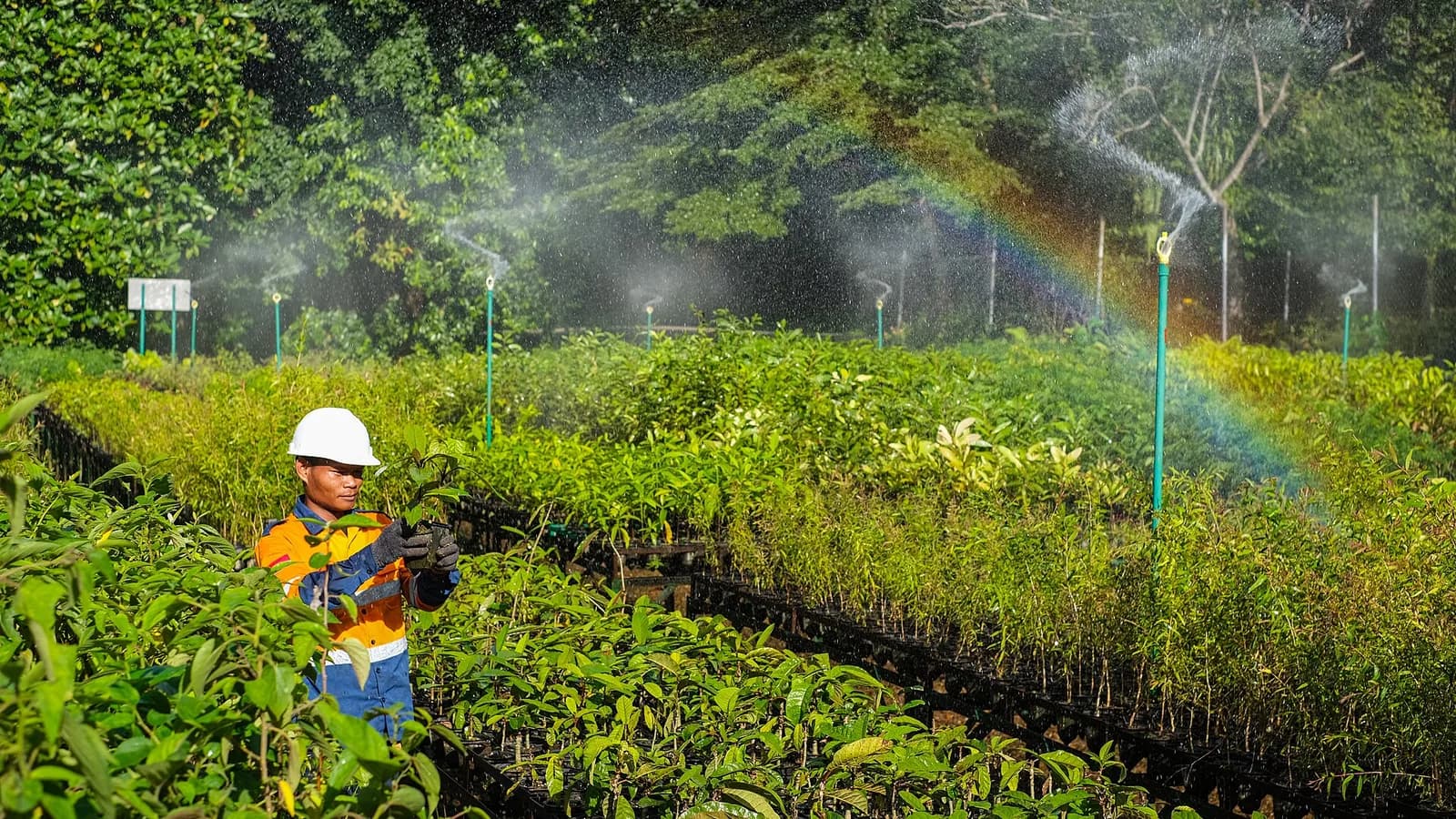
Indonesia Mining Environmental Permit: When an AMDAL or UKL-UPL Applies and How It Attaches to the IUP
Every Indonesian mine sits on an environmental approval. Under PP 22/2021 the Persetujuan Lingkungan — issued on an AMDAL or a UKL-UPL — is a precondition of the business licence, and PP 96/2021 makes it a condition for moving an IUP or IUPK into production. This explainer sets out the scale thresholds that decide which document applies, who issues the approval since October 2025, what the approval binds the holder to, and when it must be redone.
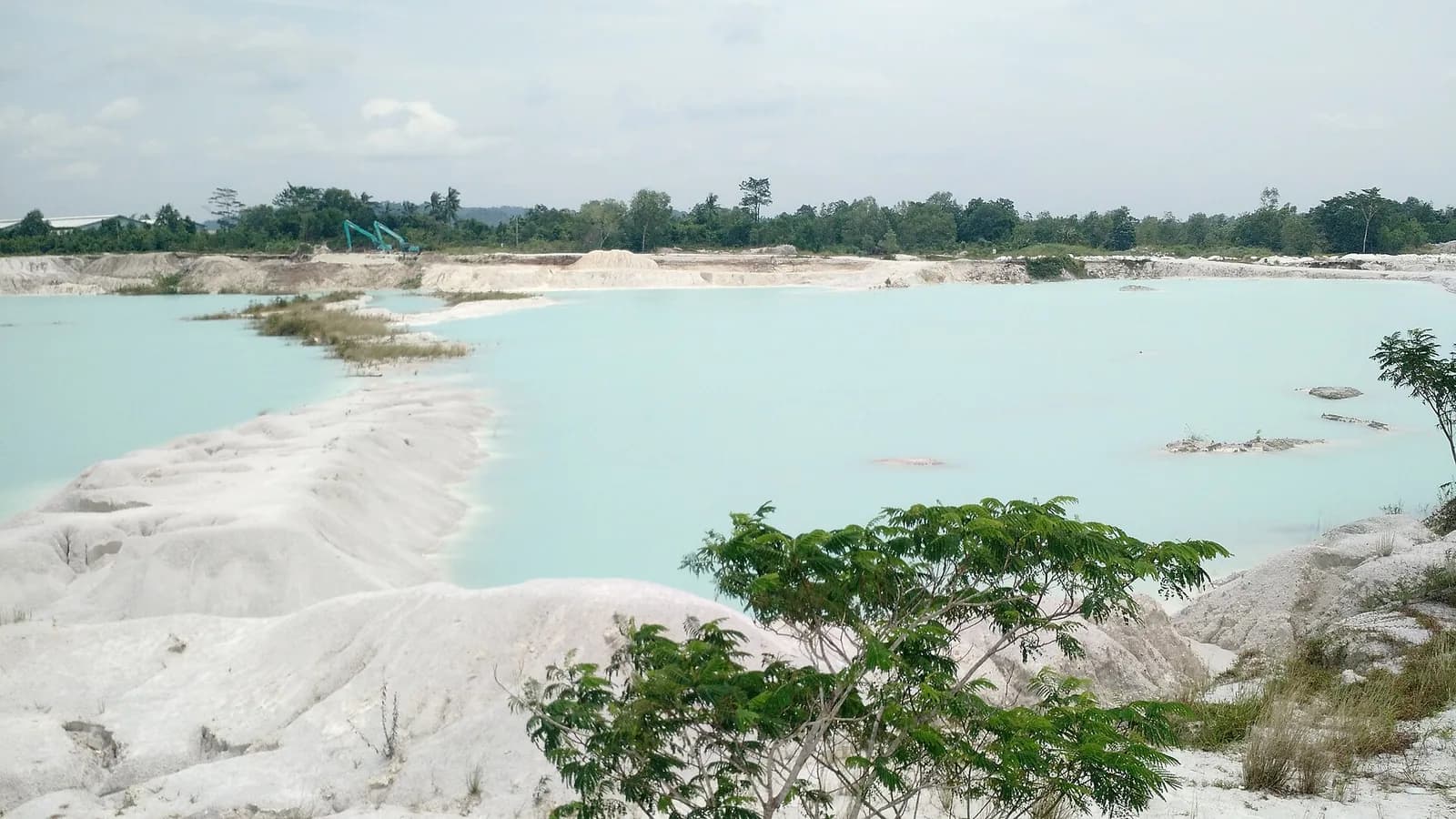
Indonesia Mining Water Management: The Drainage, Settling-Pond and Acid-Drainage Duties on an IUP Holder
At an Indonesian mine, water is not an engineering afterthought — it is a set of named duties under the good-mining-practice rulebook. A holder must first study the hydrology, hydrogeology and rock geochemistry, then design drainage channels, settling ponds and pumps to a fixed rainfall standard, and must know whether its waste rock will generate acid drainage before it can be allowed to treat it. This explainer sets out the exact water duties under Permen ESDM No. 26 of 2018 and Kepmen ESDM No. 1827 K/30/MEM/2018 — and why a breach of them is a licence risk before it is an environmental one.

Indonesia Mine Tailings Management: The Design, Water, Monitoring and Closure Duties on an IUP Holder
A tailings storage facility in Indonesia is a regulated structure, not just an engineering one. The good-mining-practice rulebook requires it to be designed, built and operated so it cannot pollute surface or groundwater, carries a mandatory structural-failure mitigation plan and emergency-response system, sits behind a settling-pond and acid-drainage regime, must be monitored against a defined list of parameters, and must be reclaimed at closure. This explainer sets out the exact duties on an IUP or IUPK holder under Permen ESDM No. 26 of 2018 and Kepmen ESDM No. 1827 K/30/MEM/2018 — and why a breach of the environmental duty is itself a listed ground for suspension or revocation.
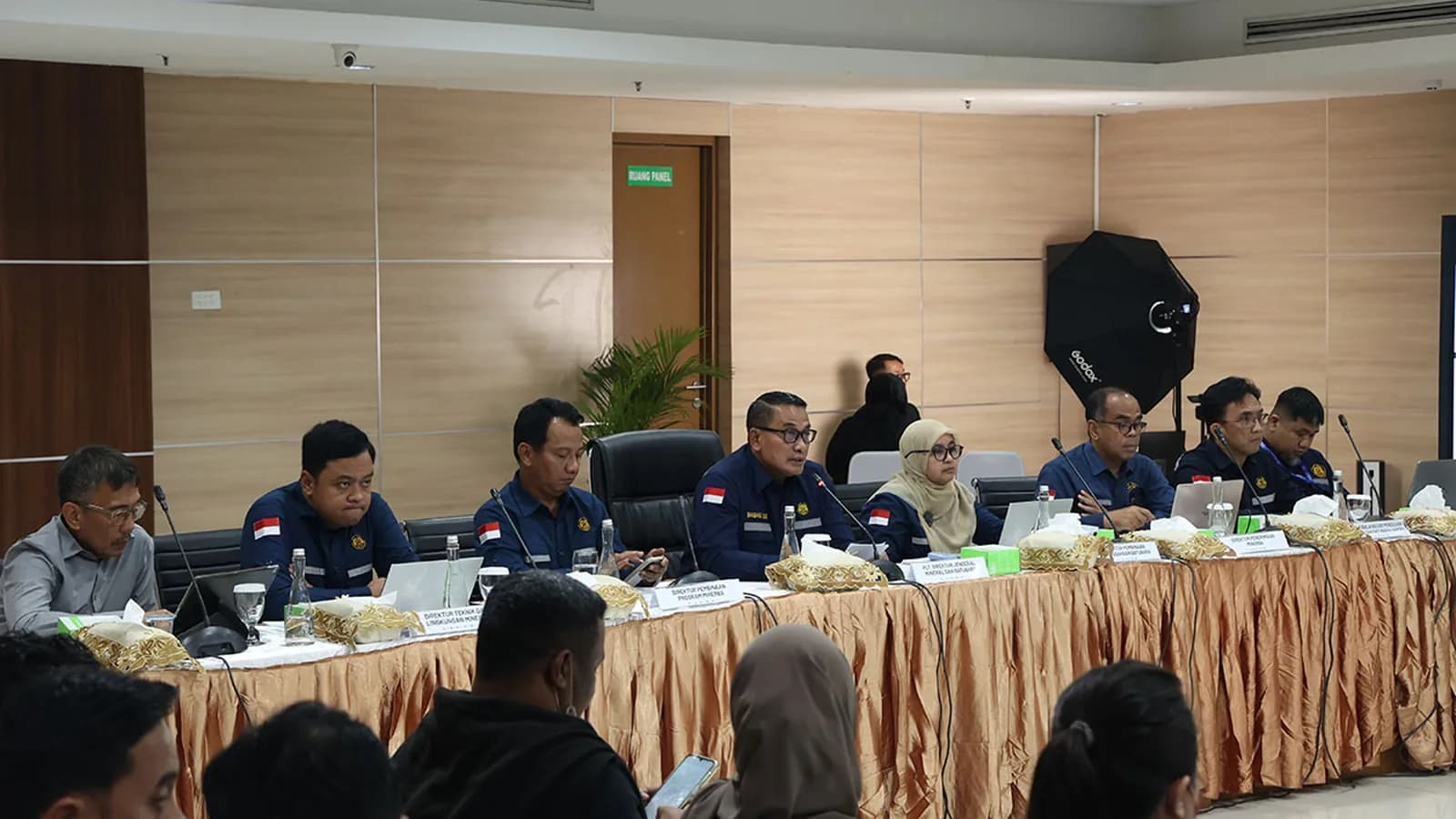
Mine Closure in Indonesia: the Reclamation Obligation, the Guarantee, and What It Costs
Indonesia does not treat closure as a decision taken at the end of a mine's life. Reclamation is defined as running through every stage of the permit, the state holds a cash guarantee sized per hectare and per province, and nothing is released until the post-mining test is met at 100 per cent. Here is how the regime is built, and what it costs in 2026.
Looking for mining investment opportunities in Indonesia?
Browse IUP projects available for take over, joint operation and joint venture on Teramine.
Explore Mining Opportunities