Foreign buyers of Indonesian nickel are asking a question that permits alone do not answer: can the mine prove, to an outside auditor, how it treats its workers, its neighbours and its water? The answer that downstream companies most often point to is an audit against the IRMA Standard for Responsible Mining. Two Indonesian operations are now inside that system, and neither has finished.
This piece reads the public record kept by IRMA itself — its audit status pages, its assessment rules and the joint updates it publishes with the mine — as of 29 November 2026.
What IRMA is
The Initiative for Responsible Mining Assurance describes itself as three things at once: a voluntary standard setting out best practice for protecting people and the environment, an assurance process that measures mines against it, and an organisation governed equally by six sectors — affected communities, organised labour, NGOs, finance, purchasers and mining companies. IRMA's own claim is that its governance gives communities the same power as mining companies.
Some points about the system matter to an investor reading an IRMA claim:
- It is the mine site that is assessed, not the company. A group can put some of its sites into the system and not others.
- It is not pass/fail. A site's result is an achievement level, and the audit report is meant as a baseline for improvement.
- The path is fixed: self-assessment, then an independent audit by an IRMA-approved firm (a desk review, then an on-site audit with stakeholder interviews), then public reporting.
- Results are valid for three years from the date the audit report is finalised. A shorter surveillance audit must be published within 18 months of the previous report, and a renewal audit within 36 months.
- Corrective action periods are built in. A site can choose to fix problems found in the draft report before the final report is published.
The four achievement levels
| Level | What it requires (per IRMA) |
|---|---|
| IRMA Transparency | The site is audited by an IRMA-approved firm and publishes the results. No performance threshold. |
| IRMA 50 | Higher performance across the four sections of the Standard, plus the critical requirements; minor non-conformity allowed with a corrective action plan |
| IRMA 75 | As above, at a higher performance level; minor non-conformity on critical requirements still allowed with a plan |
| IRMA 100 | All critical requirements fully met |
The four sections are Business Integrity, Planning for Positive Legacies, Social Responsibility and Environmental Responsibility.
What it costs in fees
IRMA charges an annual administration fee by site revenue (three-year average). The audit firm's own fee is separate and not published by IRMA.
| Annual site revenue | Annual IRMA fee | 3-year prepayment (5% discount) |
|---|---|---|
| Under US$100 million | US$3,750 | US$10,687 |
| US$100–500 million | US$6,750 | US$19,237 |
| US$500 million–under US$1 billion | US$8,750 | US$24,937 |
| Over US$1 billion | US$10,750 | US$30,647 |
Audit 1: Harita Nickel, Obi Island
Operator: PT Trimegah Bangun Persada Tbk (Harita Nickel). Location: Obi Island, South Halmahera, North Maluku. Materials: nickel and cobalt. Auditor: SCS Global Services.
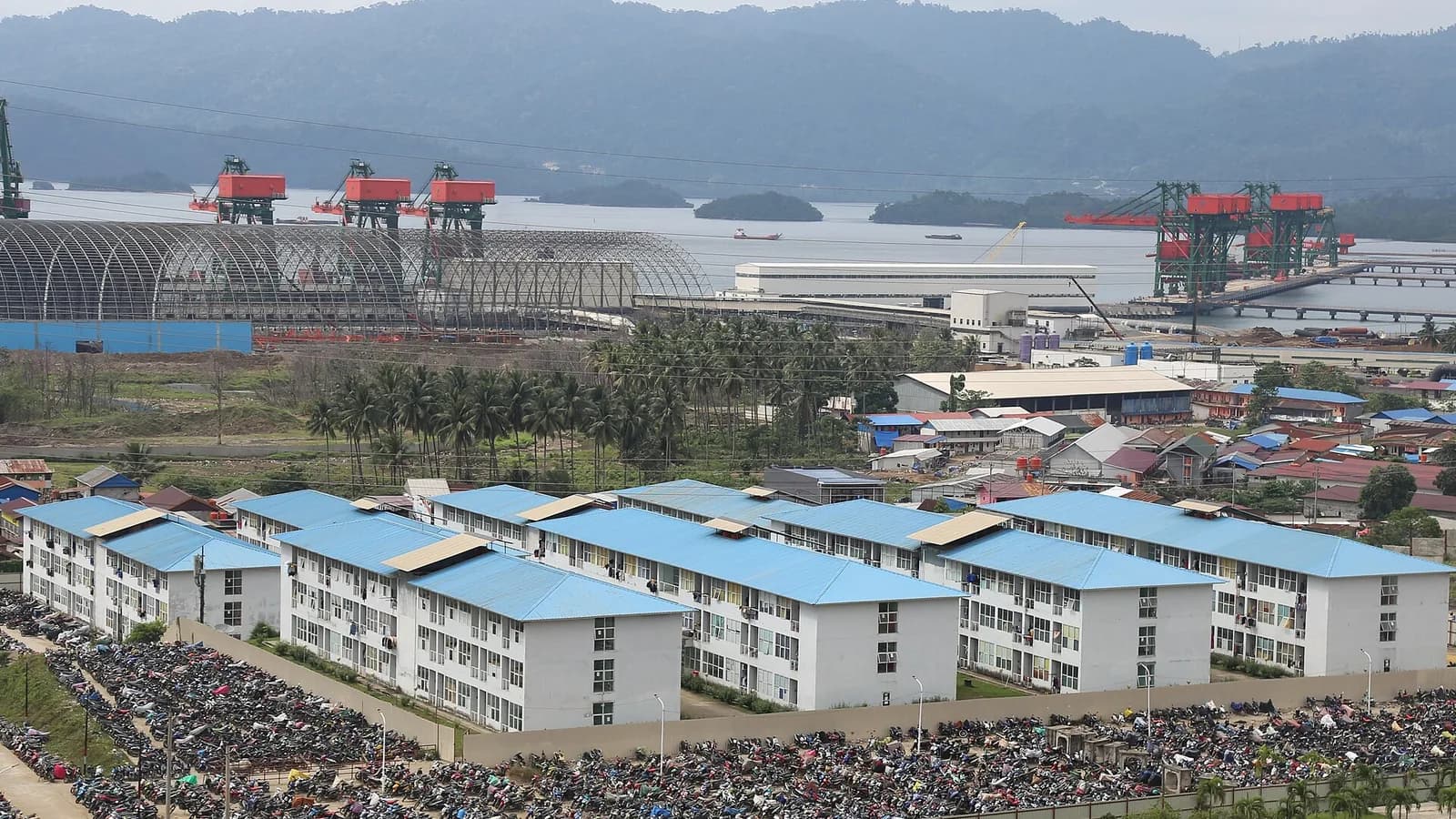
IRMA announced on 7 October 2024 that Harita's mine was the first in Indonesia to formally commit to an IRMA audit. IRMA also describes it as its first audit of an integrated mining and processing site. The scope is wide: open-pit mining and a dry-stack tailings facility, but also smelter and refinery facilities, a coal power plant, the port, pipelines, water treatment and worker housing. At the time of the announcement IRMA described Harita as processing low-grade limonite ore by high-pressure acid leach into mixed hydroxide precipitate, then into nickel sulphate and cobalt sulphate — battery raw materials.
"We want our purchasers to have confidence that they are buying responsibly sourced nickel," Harita President Director Roy Arman Arfandy said in IRMA's announcement.
Timeline
| Date | Step |
|---|---|
| 7 Oct 2024 | Third-party audit announced |
| 12 Nov 2024 | Self-assessment completed |
| 21 Feb 2025 | Stage one (desk audit) completed |
| April 2025 | Nine-day on-site audit (stage two marked complete 30 May 2025) |
| Jun–Sep 2025 | Supplementary document review, requested by the auditor because of the operation's complexity |
| 9 Oct 2025 | Draft audit report |
| 7 Nov 2025 | Harita notifies IRMA it will use the optional corrective action period |
| 20 Nov 2025 | Mine site and IRMA review of draft report completed |
| 13 Oct 2026 | IRMA approves an extension; verification site visit moved to early 2027 |
| — | Final audit report: not yet released |
Under IRMA policy the verification audit had been expected by November 2026. IRMA says the extension gives auditors time to review documentation on changes to more than 100 requirements addressed during the corrective period.
What has been disclosed
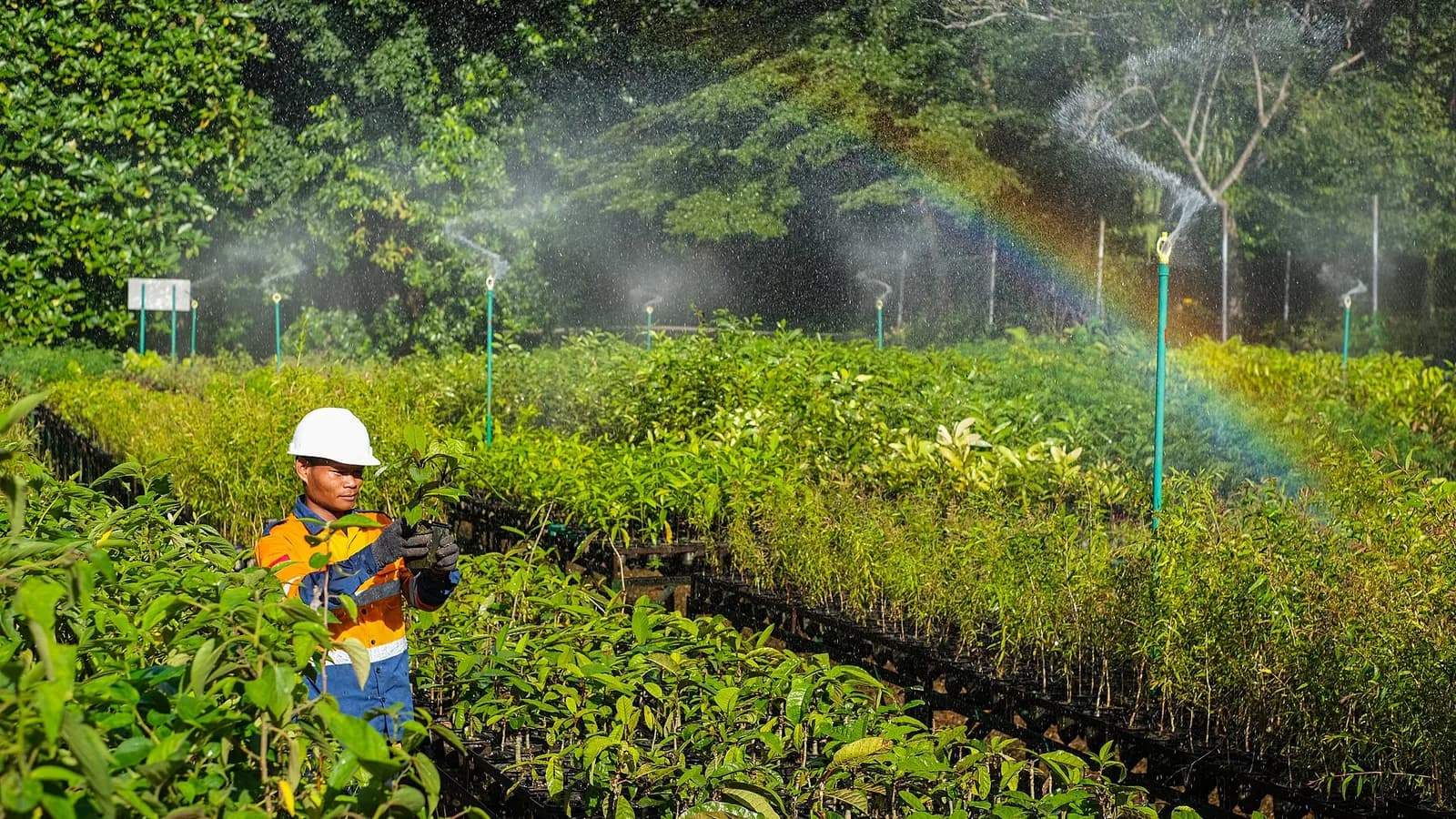
The joint updates name the areas Harita chose to work on: stakeholder consultation on emergency response, reclamation and closure, and — with the local government — resettlement and livelihoods in Kawasi; workforce safety culture as the site turns into an industrial park; and environmental and social impact assessment. In the October 2026 update, written by Harita, the company reports 32 engagement activities and a Community Health Impact Assessment following the ICMM framework.
Preliminary findings, as reported in the January 2026 update, showed solid performance in three chapters: 1.4 grievance mechanism and access to remedy, 1.5 revenue and payments transparency (anti-bribery policies and training), and 4.5 greenhouse gas emissions.
A caution on reading these updates: the sections are labelled as authored by Harita, and the scores themselves are not public until the final report.
Audit 2: PT Vale Indonesia, Sorowako
Operator: PT Vale Indonesia Tbk. Parents: Vale Canada Limited and MIND ID, which jointly control the company. Location: Sorowako, South Sulawesi. Auditor: ERM CVS.
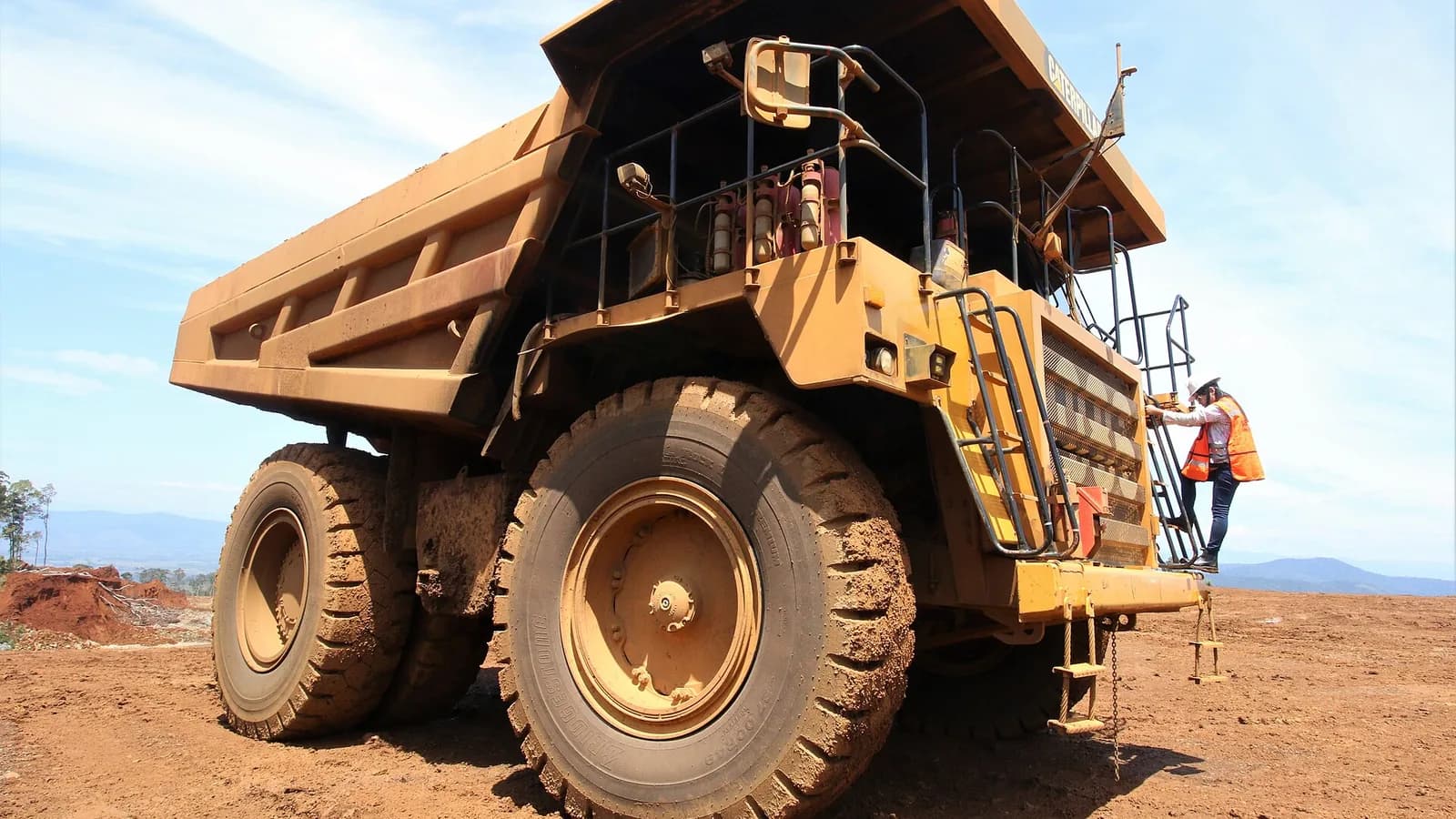
IRMA announced the Sorowako commitment on 17 December 2024. IRMA's status page describes the operation as mining since 1968, permitted through 2045, employing about 3,000 people over roughly 20 sq km within a 700 sq km concession. The scope covers open pits, crushers and grinders, hydro power dams, the smelter, waste disposal and worker housing; potentially affected communities named are Towuti, Nuha, Wasuponda and Malili. IRMA's announcement put PT Vale's share of Indonesian nickel output at 10% in 2023.
PT Vale has asked that four of the Standard's 26 chapters be treated as not applicable — free, prior and informed consent, artisanal and small-scale mining, cyanide and mercury — and ERM CVS will rule on that.
| Date | Step |
|---|---|
| 3 Dec 2024 | Self-assessment completed |
| 17 Dec 2024 | Third-party audit announced |
| 24 Dec 2024 | Stage one (desk audit) completed |
| 16 Feb 2026 | Stage two (on-site audit) completed |
| — | Draft report, review and final report: not yet shown as complete |
PT Vale's Bernardus Irmanto said at the announcement that the Sorowako audit would "later include the rest of our mining and processing operations". IRMA's status page lists Sorowako only.
Why buyers care
IRMA's own pitch is aimed at purchasers: companies in jewellery, electronics, building and automotive supply chains that want assurance about the minerals they buy. Purchasers can join IRMA as members and ask their suppliers to enter the system. IRMA records that more than 60 civil-society organisations called in 2019 for companies to source from mines meeting its standard, and that in February 2024 thirty investment institutions with over US$2.7 trillion under management identified IRMA as a key initiative.
For Indonesia the timing is pointed. Nickel is the commodity where the country's downstream policy and international supply-chain scrutiny meet most directly — see our explainers on [nickel smelters](/en/news/nickel-smelter-indonesia) and on [US Section 301 tariffs on Indonesian nickel](/en/news/section-301-indonesia-nickel-tariffs).
Catatan Teramine
*This section is editorial analysis, not a statement of fact.*
- "In an IRMA audit" is not a rating. As of 29 November 2026 neither Indonesian site has a published achievement level. A marketing line that a supplier is "IRMA-audited" tells you a process has started; ask for the level and the report date. Until those exist, the IRMA status page is the document to check.
- The scope is the story. Harita's audit covers smelting, refining and a coal power plant, not only the pit. When a result is published, it will say something about an integrated HPAL complex — the model much of Indonesia's battery-grade nickel now comes from. That makes it more informative for buyers than a mine-only audit.
- Delays here are normal, not a red flag on their own. IRMA says most sites take the corrective action period before publishing. Harita's extension moves the verification visit into 2027; Sorowako's on-site audit finished in February 2026. Reasonable expectation: the first published Indonesian IRMA results arrive in 2027, but no date is fixed.
- For smaller Indonesian miners, IRMA is a buyer-led requirement, not a legal one. It sits on top of Indonesian obligations such as AMDAL, [tailings management](/en/news/indonesia-mine-tailings-management), [community development](/en/news/indonesia-mining-community-development), [mine closure](/en/news/mine-closure-in-indonesia) and the government's own [PROPER rating](/en/news/indonesia-proper-environmental-rating). A site that is weak on those will not do well under IRMA; fixing the domestic basics comes first.
- For acquirers, the audit record is free due diligence. Draft scopes, chapter exclusions and corrective-action lists are public. Use them alongside the items in our [due diligence checklist](/en/news/indonesia-mining-due-diligence-checklist).
What this article does not cover
- Other assurance schemes (for example ICMM performance expectations, ResponsibleSteel or the Copper Mark). They work differently and are not compared here.
- The content of the IRMA Standard chapter by chapter, and the revision of the Standard now under way.
- Criticism of the two operations by NGOs or media. It exists, and stakeholders can file comments with the auditors; this piece covers the audit process and status only.
Need help with environmental and permit compliance before an outside audit? See our [permit services](/en/layanan-izin). Looking at nickel assets? Browse the [marketplace](/en/marketplace).