Indonesia Nickel News
News, analysis and current information on Nickel in Indonesia for investors and industry professionals.
20 articles
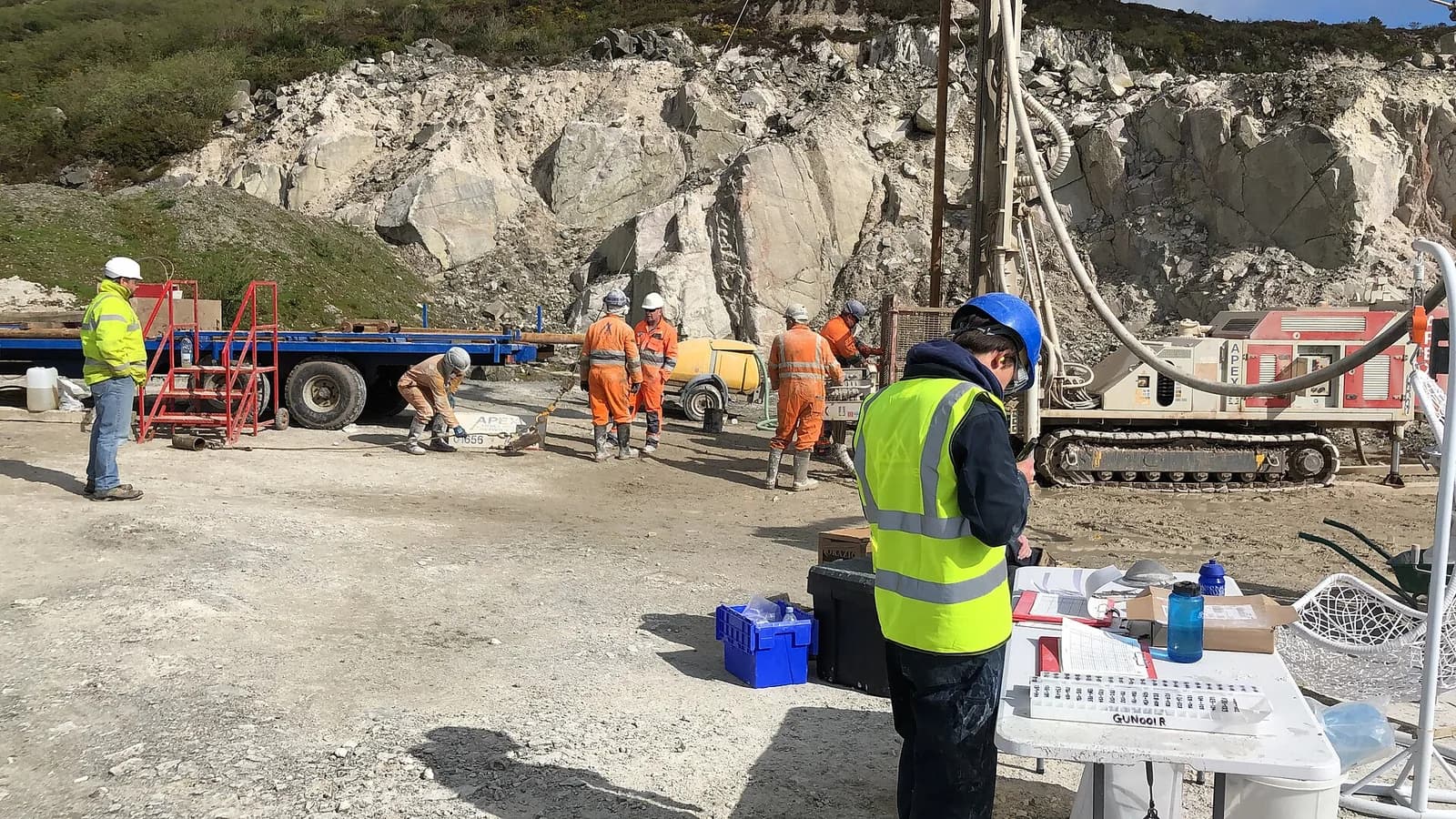
Mineral Exploration in Indonesia: The Exploration IUP, Its Deadlines and What Happens If You Stall
An Indonesian exploration licence runs for a fixed term — eight years for metal minerals, seven for coal — and since late 2025 it comes with a cash guarantee, quarterly progress reports, and a rule that three reports in a row with no progress can cost the licence. This explainer reads the government regulation and the 2025 ministerial rules so a foreign investor knows what an exploration-stage asset actually obliges its holder to do.
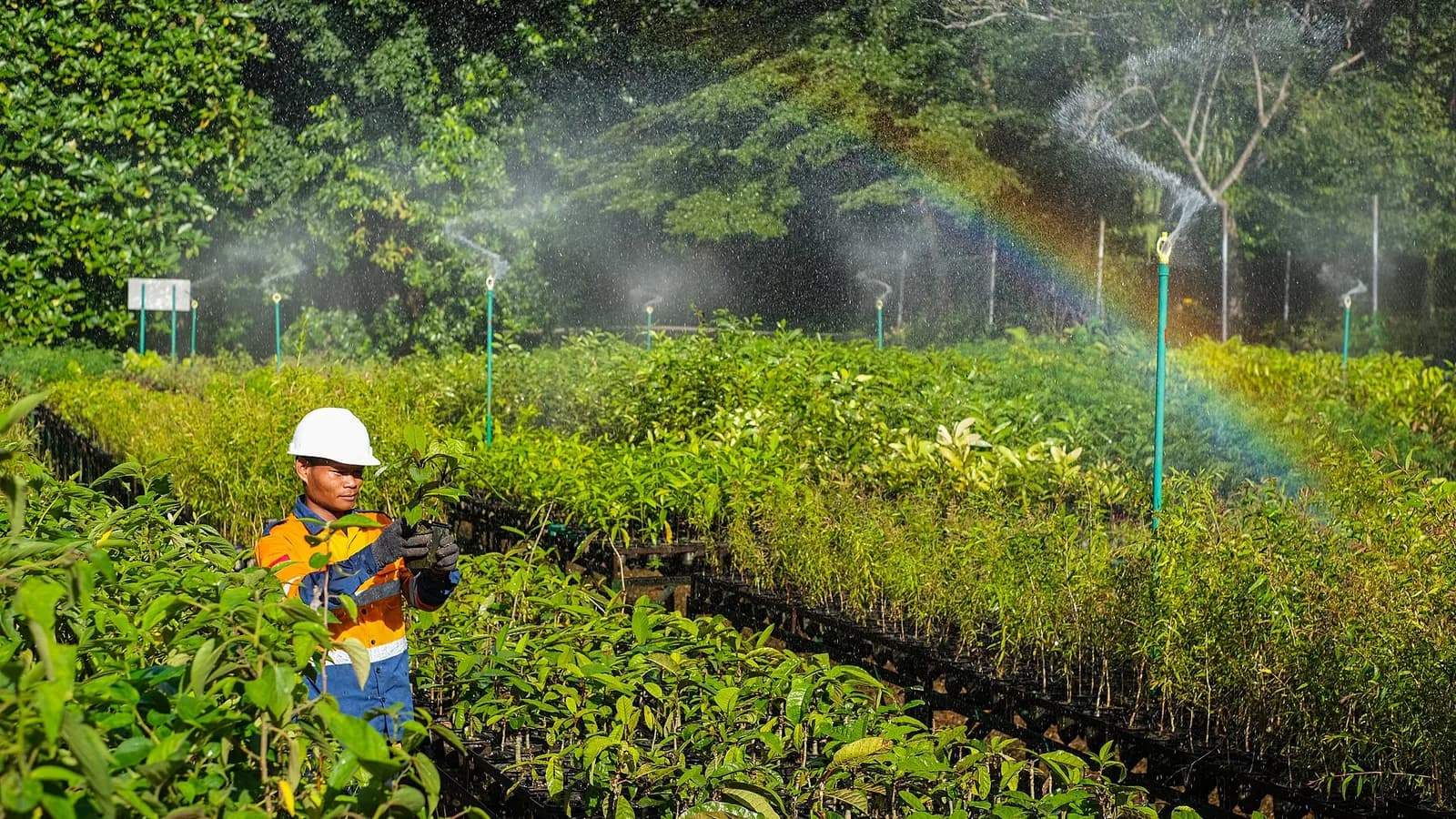
Indonesia's PROPER Environmental Rating: How Mining Companies Are Graded Gold to Black
PROPER is the Indonesian environment ministry's company-by-company performance rating, issued in five colours from gold to black. Since August 2025 it runs under a new regulation, Permen LH/BPLH No. 7 of 2025, which adds a mining-specific land-degradation test, strict entry conditions for green and gold, and law enforcement after two consecutive red ratings. This explainer reads the regulation and the ministry's own announcements so a foreign investor knows what a PROPER colour on a mining company actually certifies.
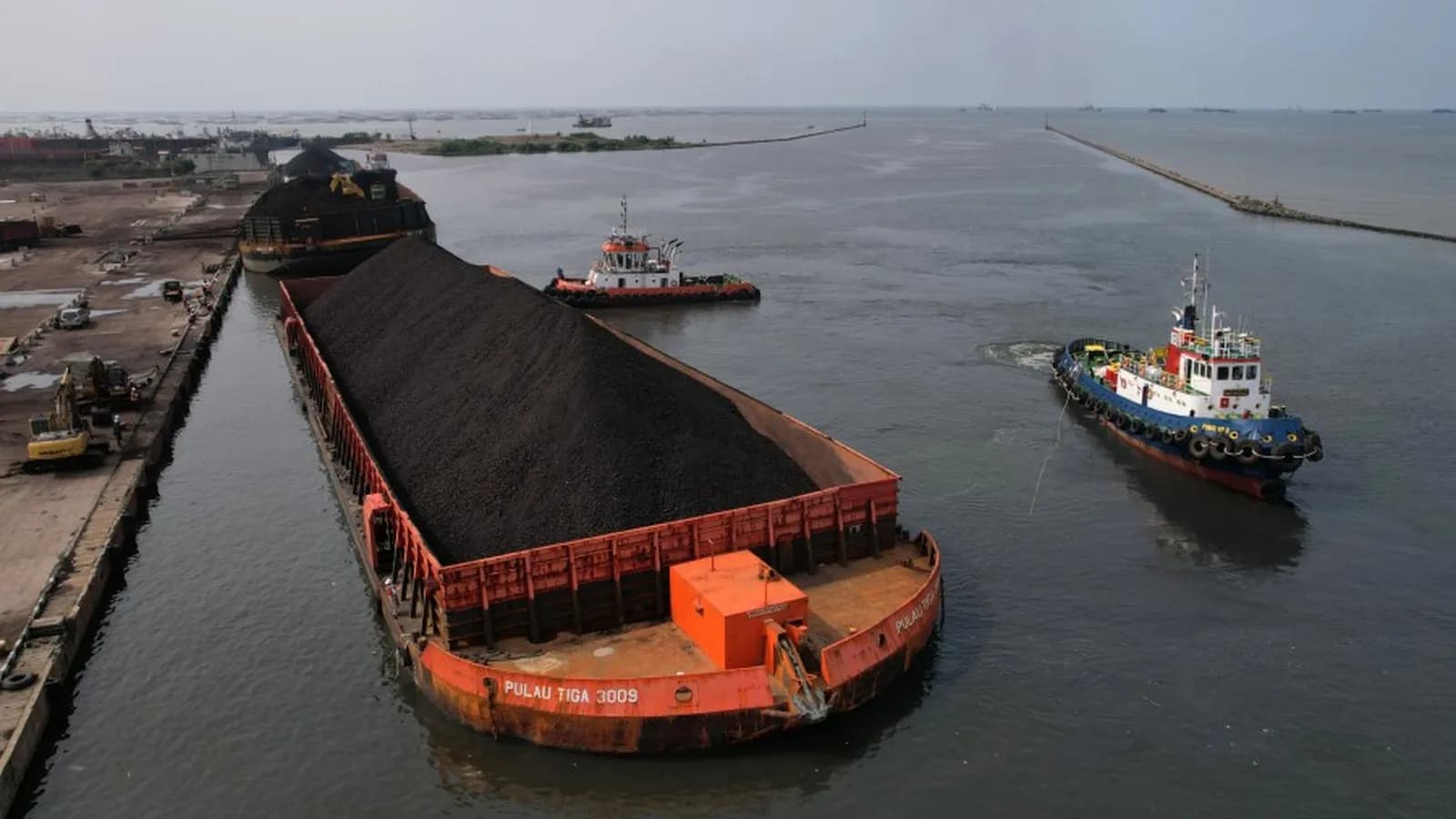
Indonesia's Single Export Channel Through DSI: How PP 24/2026 Works for Coal and Ferroalloy Buyers
From 1 January 2027, every Indonesian coal, palm oil and ferroalloy export must pass through one state company, PT Danantara Sumberdaya Indonesia (DSI). This explainer reads Government Regulation 24 of 2026 and the coal trade rule clause by clause, then sets out what the government said on 6 November about DSI acting only as a 'sole intermediary' — and which parts of that are still only a draft.
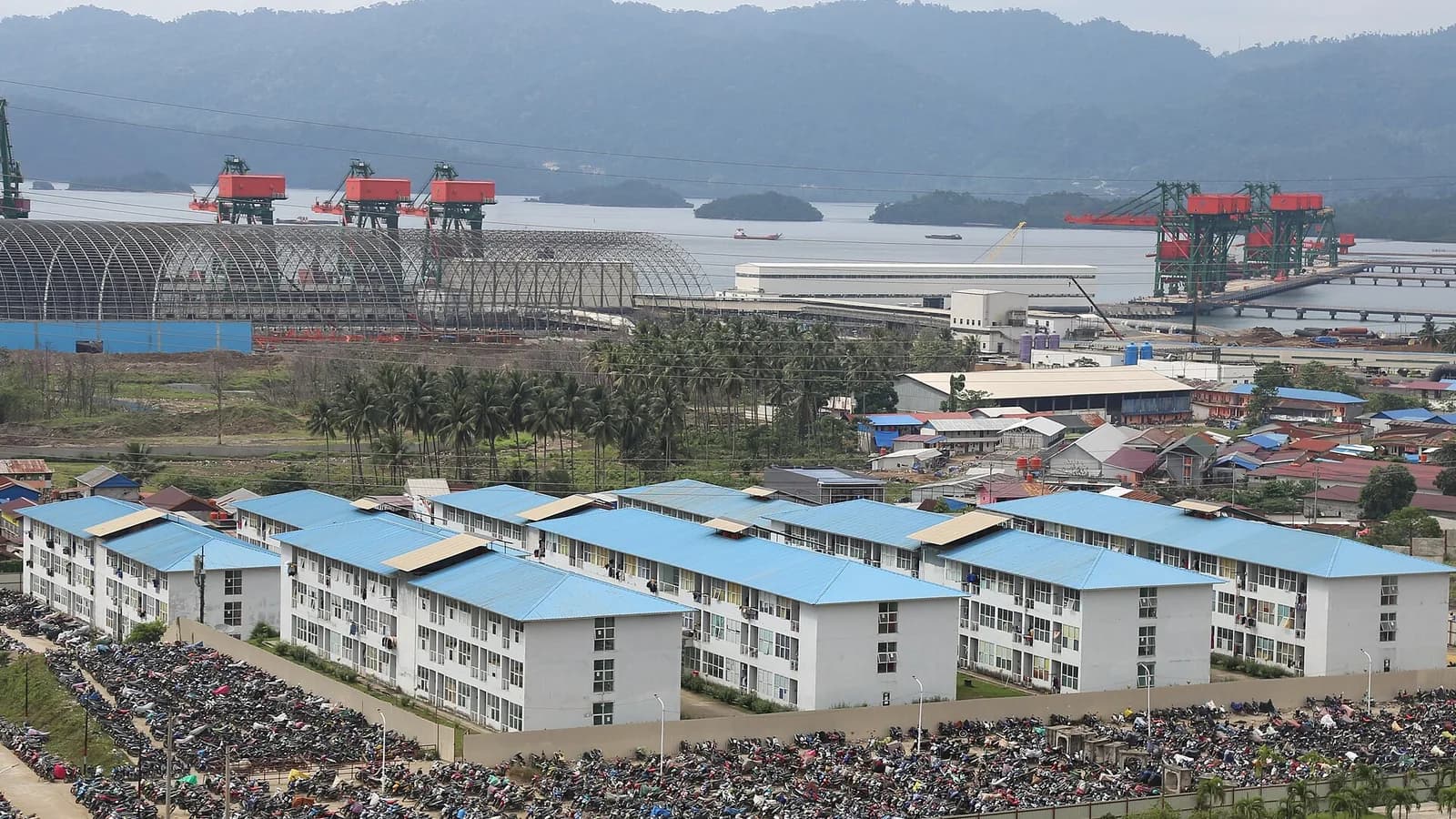
Captive Coal Power for Indonesian Smelters: What Perpres 112/2022 Allows, and What It Demands
Indonesia banned new coal power plants in 2022, with one large exception: plants built into resource-processing industry. That exception is how nickel parks in Central Sulawesi and North Maluku get their electricity. This explainer reads the regulation itself — the three conditions a captive coal plant must meet, the 35% emissions commitment, the 2050 cut-off — and what that means for anyone underwriting a smelter's power supply.
Indonesia Mining Due Diligence Checklist: How to Verify an IUP Holder Before You Invest
A step-by-step checklist for verifying an Indonesian mining company before money moves: the permit record in MinerbaOne, the annual RKAB and what it requires, overlap risk under Law 2/2025, reclamation guarantees, forest-area and environmental consistency, state payments, and ministerial approval of any share transfer. Each step is tied to the regulation that makes it matter.
Indonesia Mining Dispute Resolution: Courts, Arbitration and Investment Treaties for Foreign Investors
A foreign mining investor in Indonesia can end up in three different dispute systems: the Indonesian courts, commercial arbitration (domestic or international), and investor-state arbitration under an investment treaty. Read from the statutes, the mining law sends disputes over a permit to Indonesian courts and domestic arbitration, while the investment law points foreign investors to international arbitration that the parties must agree on. This explainer sets out each route, how an award is enforced in Indonesia, which treaties still protect investors after Indonesia ended dozens of BITs, and what two public mining cases at ICSID show.
Indonesia Mining Tax Incentives: What the Tax Holiday and Tax Allowance Actually Cover for Mines and Smelters
Indonesia has two main corporate income tax incentives an investor in minerals will hear about: the tax holiday for pioneer industries and the tax allowance for listed business fields. Read from the regulation texts, neither one covers digging ore out of the ground. Both are aimed at processing: smelters, refineries and coal conversion. The tax holiday's filing window under PMK 69/2024 closed on 31 December 2025, and the 15% global minimum tax already cuts into it for large groups. This explainer sets out who qualifies, what each incentive is worth, and what is still unsettled.
Indonesia's Export Proceeds Retention Rule for Mining: 100% Onshore for 12 Months, State Banks, and the 50% Rupiah Cap
Since 1 March 2025 a mining exporter in Indonesia (oil and gas aside) must hold 100% of its export proceeds onshore for at least 12 months. Two amendments in 2026 moved those proceeds into state-owned banks, capped rupiah conversion at 50% of export value, widened what the money can be spent on, and opened a 30%-for-3-months exception for mining exports under bilateral trade arrangements. This is how the DHE SDA rule works, read from the regulations themselves.
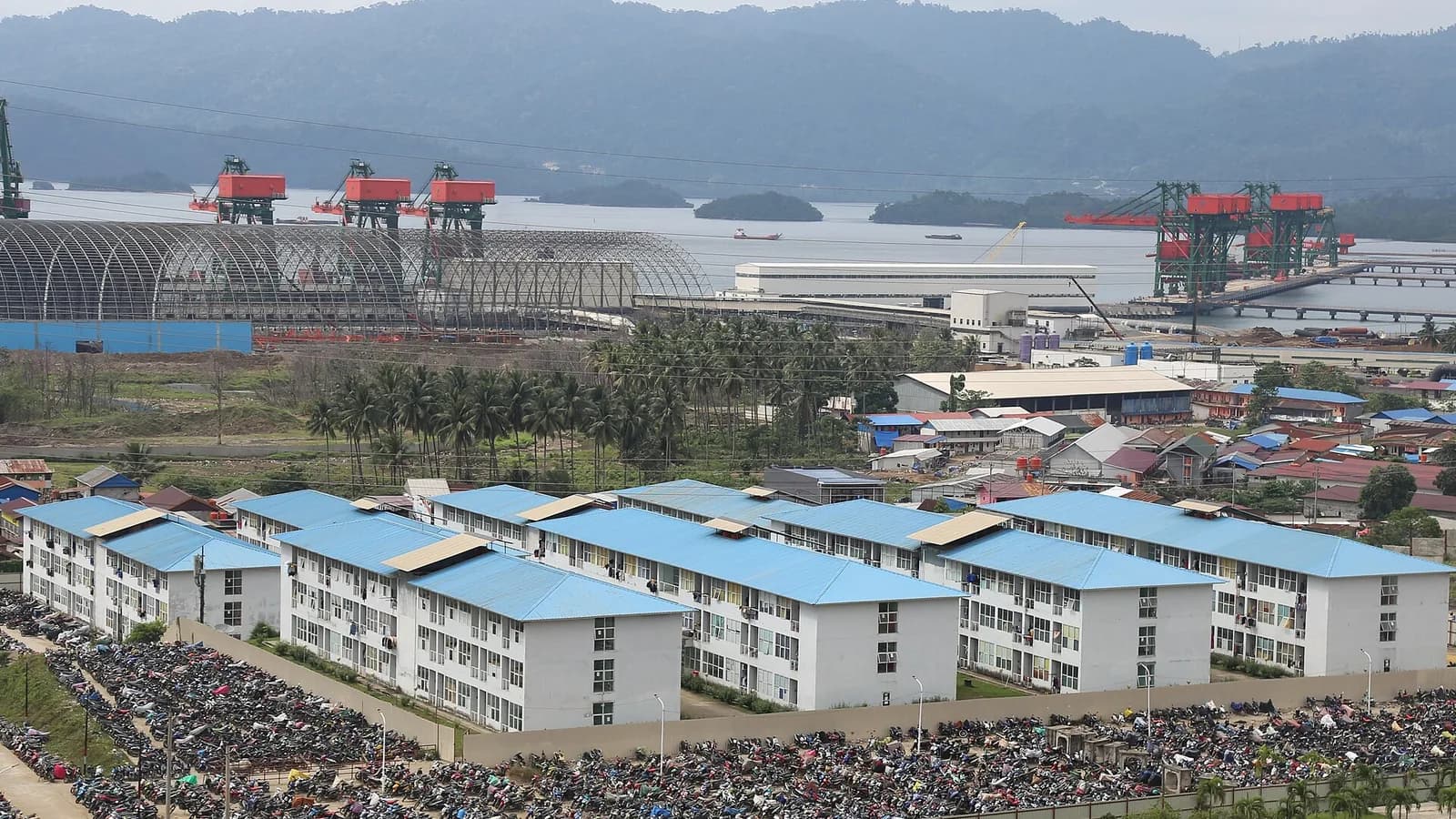
Indonesia Mineral Reference Price (HMA): How the Monthly Benchmark Is Set
Every period the Ministry of Energy and Mineral Resources signs a decree fixing the Harga Mineral Acuan — the HMA, Indonesia's own reference price for nickel, copper, aluminium, cobalt, zinc, lead and the country's other metal minerals. It is not a sale price: it is the base for the Harga Patokan Mineral, the benchmark the state's charges are measured against, and it is built from LME, LBMA and Asian Metal quotes averaged over a fixed window. This article explains who sets the HMA, which commodities it covers, how each figure is constructed, and prints the values from five official decrees we read.
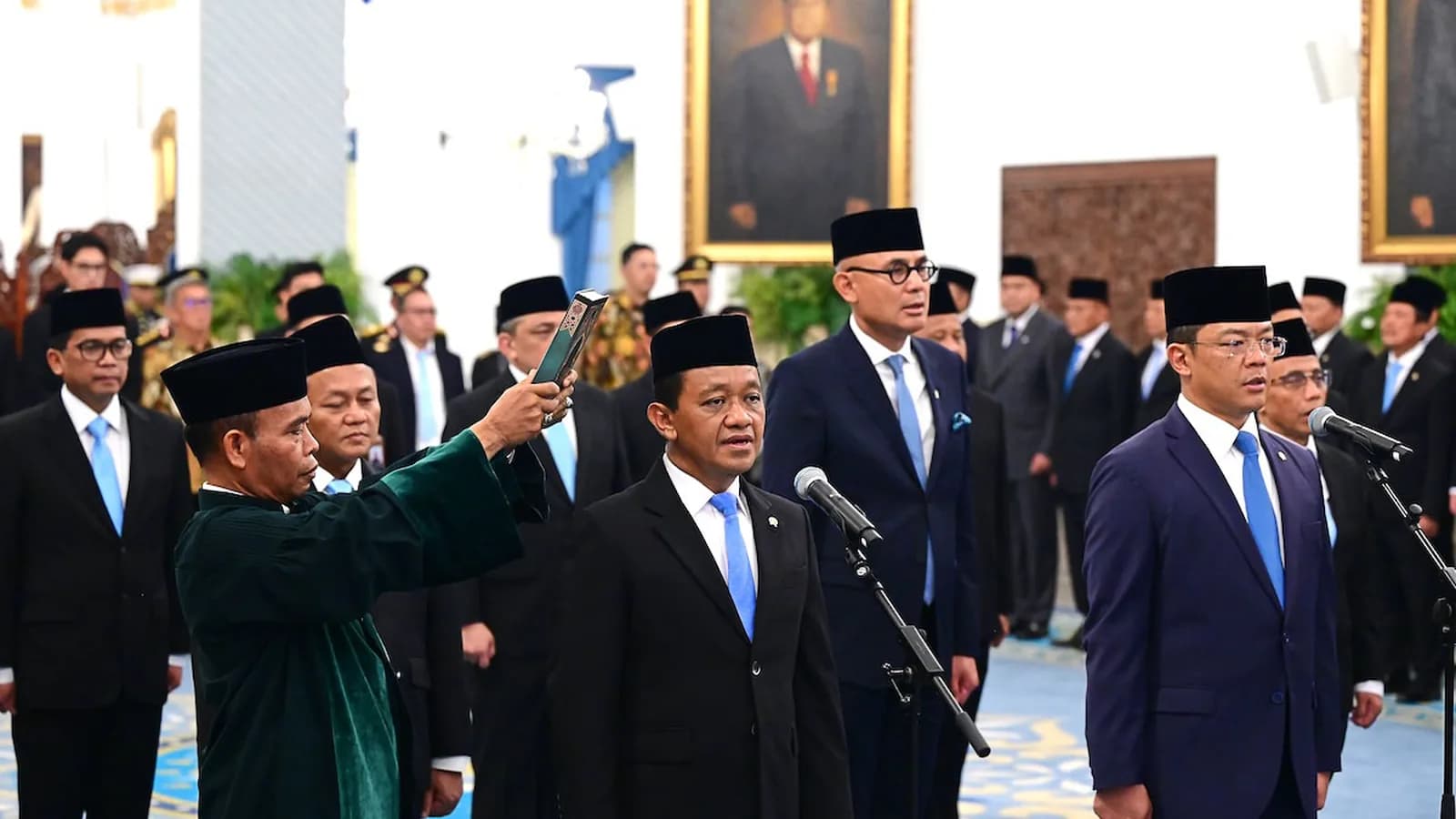
Indonesia's Downstreaming Phase 2: EV Batteries, BESS, and the New Coordinating Ministry Behind Them
Indonesia's Investment and Downstreaming Ministry has put a second phase on the table: moving past smelters toward EV batteries, battery energy storage and higher-value manufacturing, under a roadmap of 28 strategic commodities and US$618.1 billion of investment to 2040. On 1 October 2026, President Prabowo placed downstreaming and the energy transition under a single coordinating ministry led by Bahlil Lahadalia. Here is what the government said, and what a foreign investor should take from it.
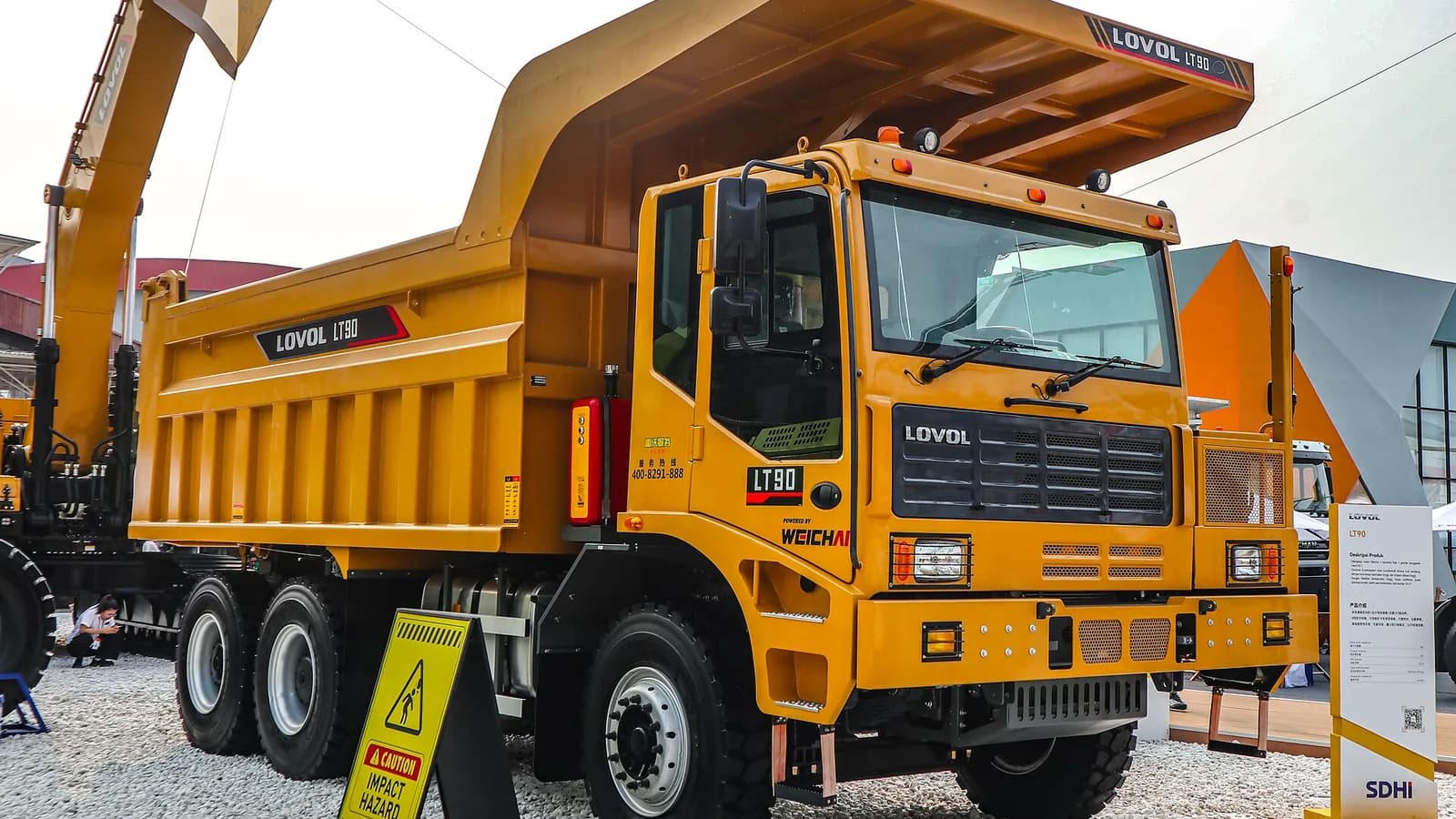
Mining Equipment Suppliers in Indonesia: The Supply Chain Is Moving Onshore
In ten weeks of 2026, XCMG broke ground on Indonesia's first overseas remanufacturing base for mining components, LiuGong began building an electric heavy equipment plant in West Java, and Komatsu expanded its Bekasi factory. What the localisation of Indonesia's mining equipment supply chain means for an operator mobilising a fleet — and what no source yet states.
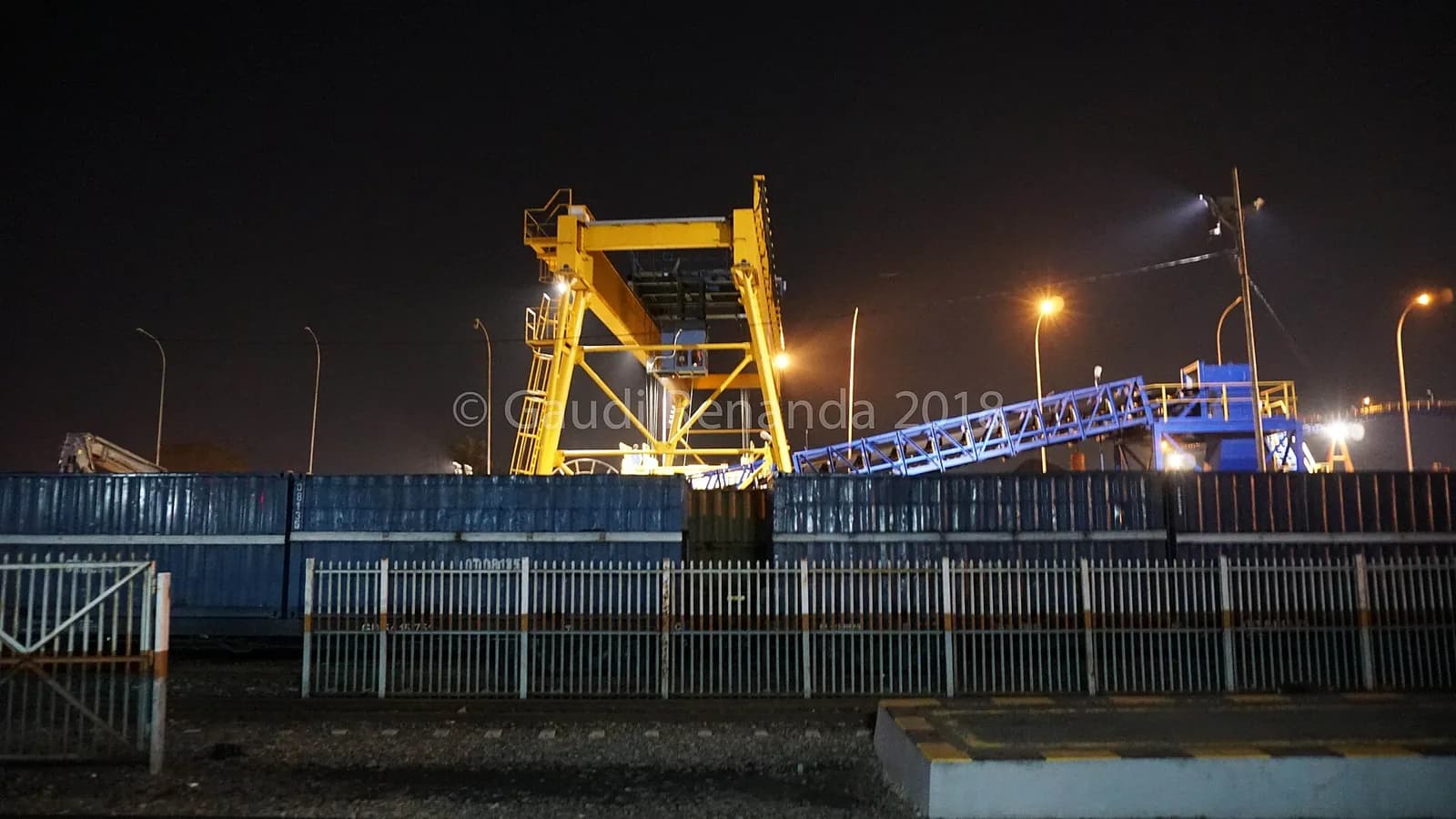
Indonesia Mining Royalties: How PNBP Is Built, and Why State Revenue Can Rise as Output Falls
A mining royalty in Indonesia is not a tax code of its own — it is one of five groups of non-tax state revenue at the energy ministry, and the current rulebook is Government Regulation No. 19 of 2025. Here is how the charge is structured, what the state says it collected in 2025 and 2026, and why the government's own account has receipts climbing while coal output falls.
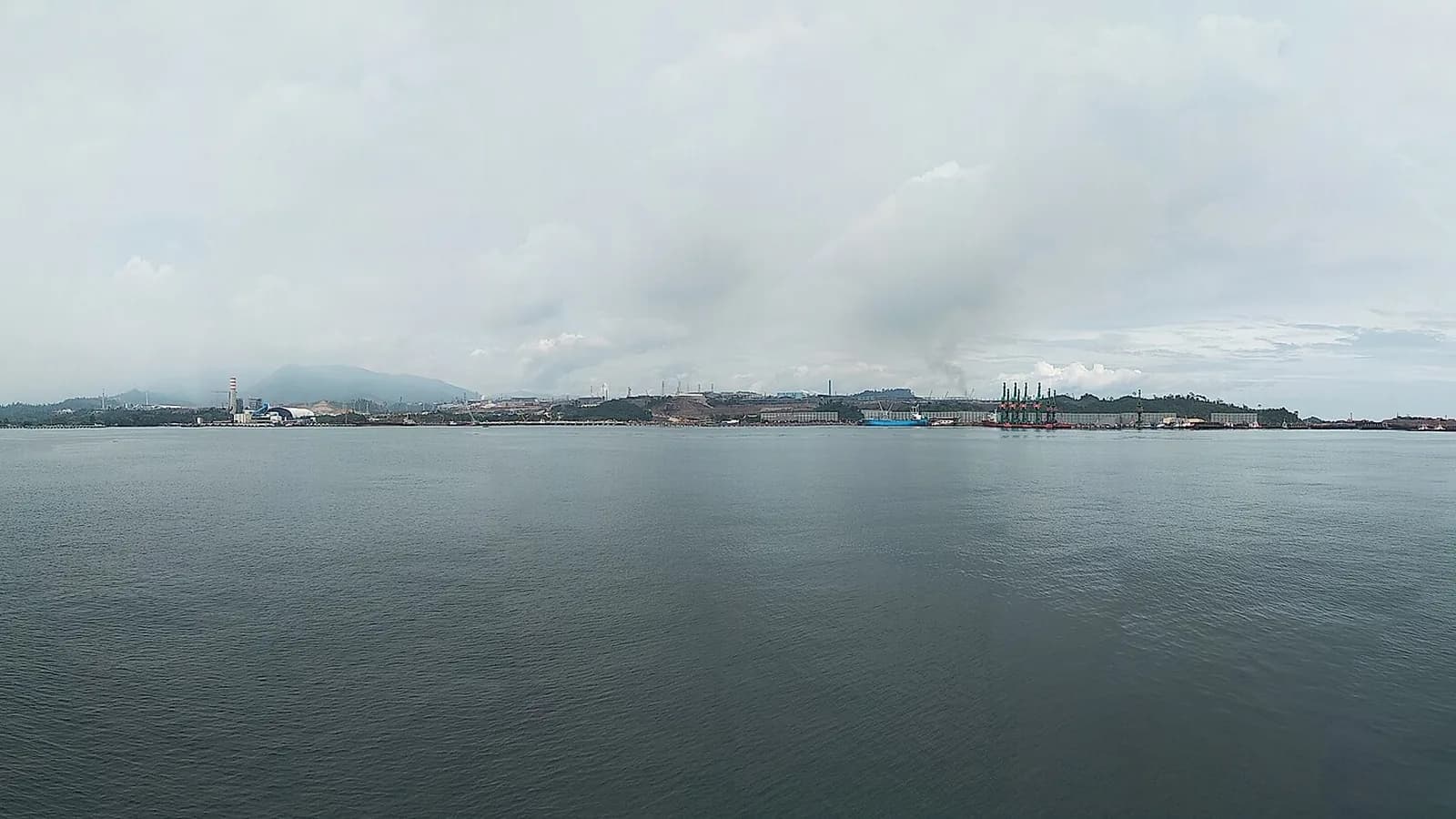
Indonesia's Mineral Downstreaming: The Processing Capacity Being Built, Commodity by Commodity
Indonesia's downstreaming roadmap runs to 2045; the plant on the ground is narrower and countable. ESDM's own count as of 2024 is 131 nickel smelters at some stage of delivery demanding 438.3 million tonnes of ore a year, three world-class copper smelters heading for about 1 million tonnes of cathode capacity, eight alumina refineries and aluminium smelters still under construction, and a copper fleet expected to yield lead as a by-product. This is the capacity, commodity by commodity, and the ore arithmetic under it.
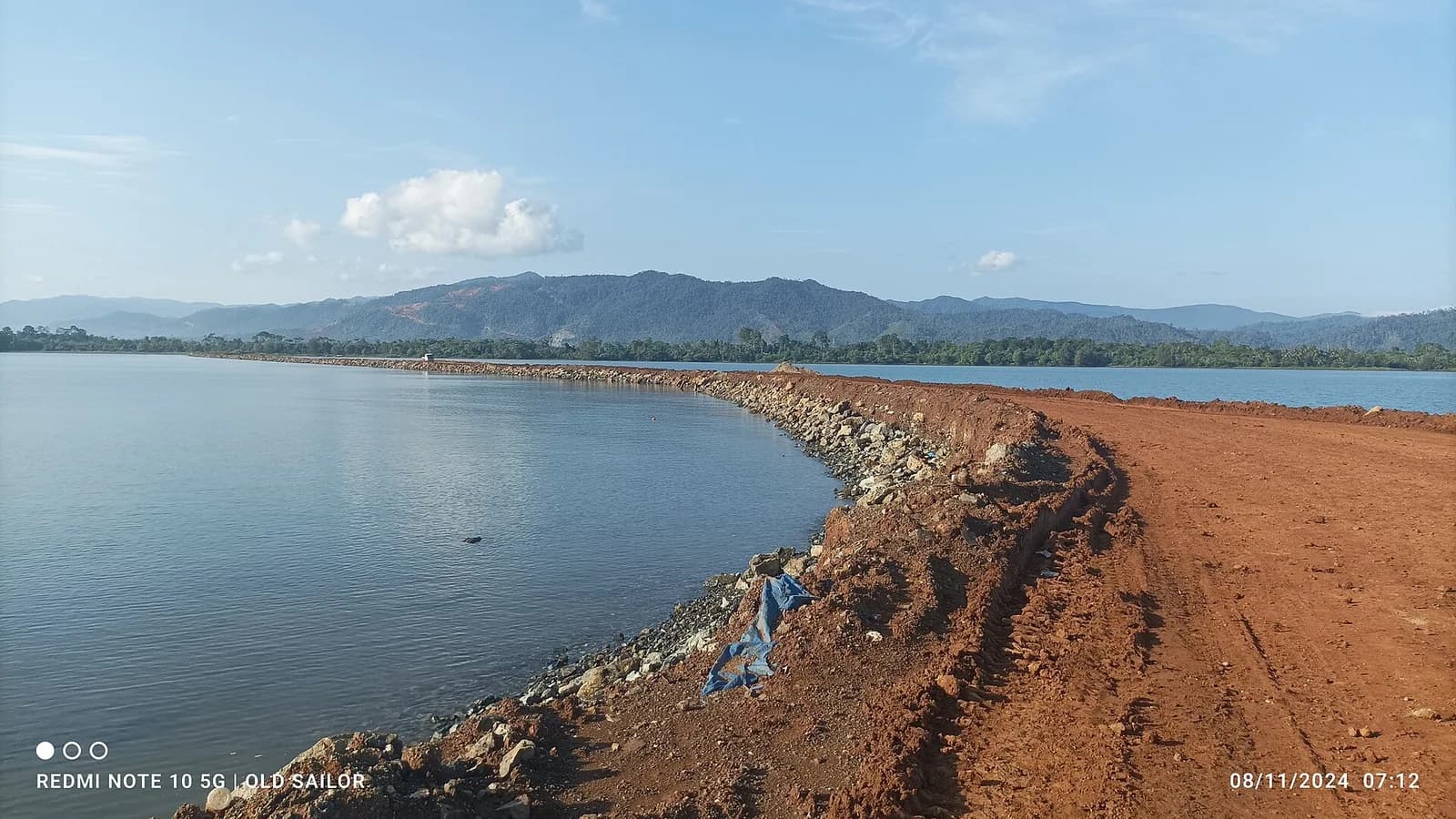
Nickel Smelters in Indonesia: Routes, Capacity and the Ore Constraint
USGS records 44 Class II nickel smelters in Indonesia consuming 210 million tonnes a year of saprolite in 2023, against three HPAL plants consuming almost 24 million tonnes of limonite. Output is dominated by nickel pig iron — 1.39 million tonnes of nickel content that year, about eight times the mixed hydroxide precipitate. Here is the plant, route by route, and the ore arithmetic behind the plan to stop building more of the first kind.
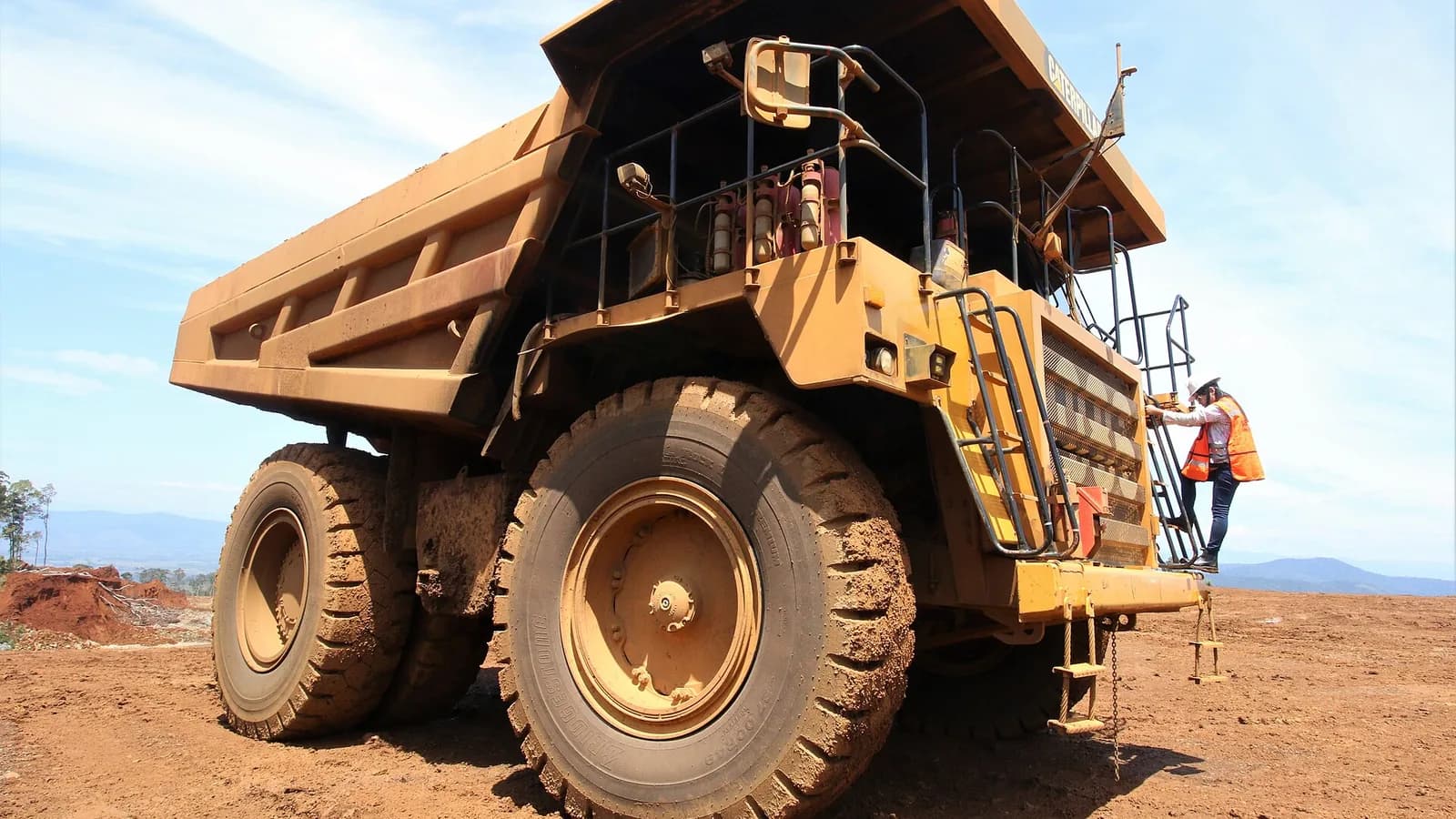
Foreign Ownership in Indonesian Mining: What the PT Vale Cap Table Shows About Licence Tenure
In Indonesian mining, shareholding and the mining licence are administered as one subject. Indonesia Business Post reported in August 2023 that PT Vale Indonesia had to sell shares to the state holding company MIND ID before its IUPK could be extended, citing Article 112 of Law No. 3/2020; Vale now records MIND ID at 34 percent and Vale Canada at 33.9 percent, with its IUPK running to 28 December 2035. Here is what the documents show, and what they do not.
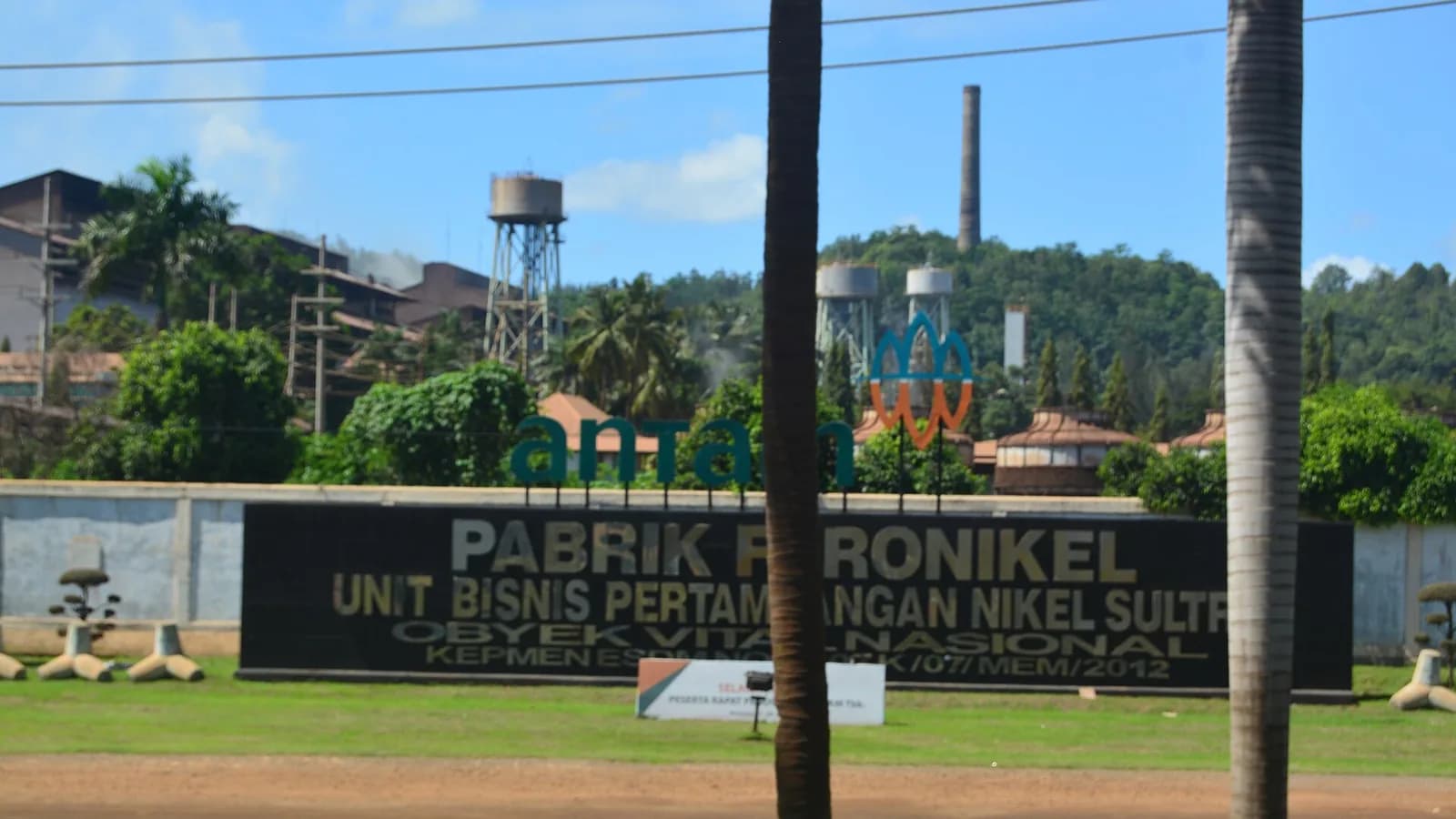
Indonesia's Mineral Export Ban: What the Nickel and Bauxite Prohibitions Actually Produced
Indonesia prohibited exports of unprocessed minerals from January 2014, then applied the ban commodity by commodity: nickel ore from 1 January 2020, bauxite from June 2023, copper concentrate exempted to May 2024. USGS records the result — ferronickel exports at US$15 billion and intermediate nickel products near US$7 billion by 2023, bauxite export value down to US$68 million, and a surplus market that cut the nickel price 11 percent in 2025.
Critical Minerals in Indonesia: 47 on the List, Three at World Scale
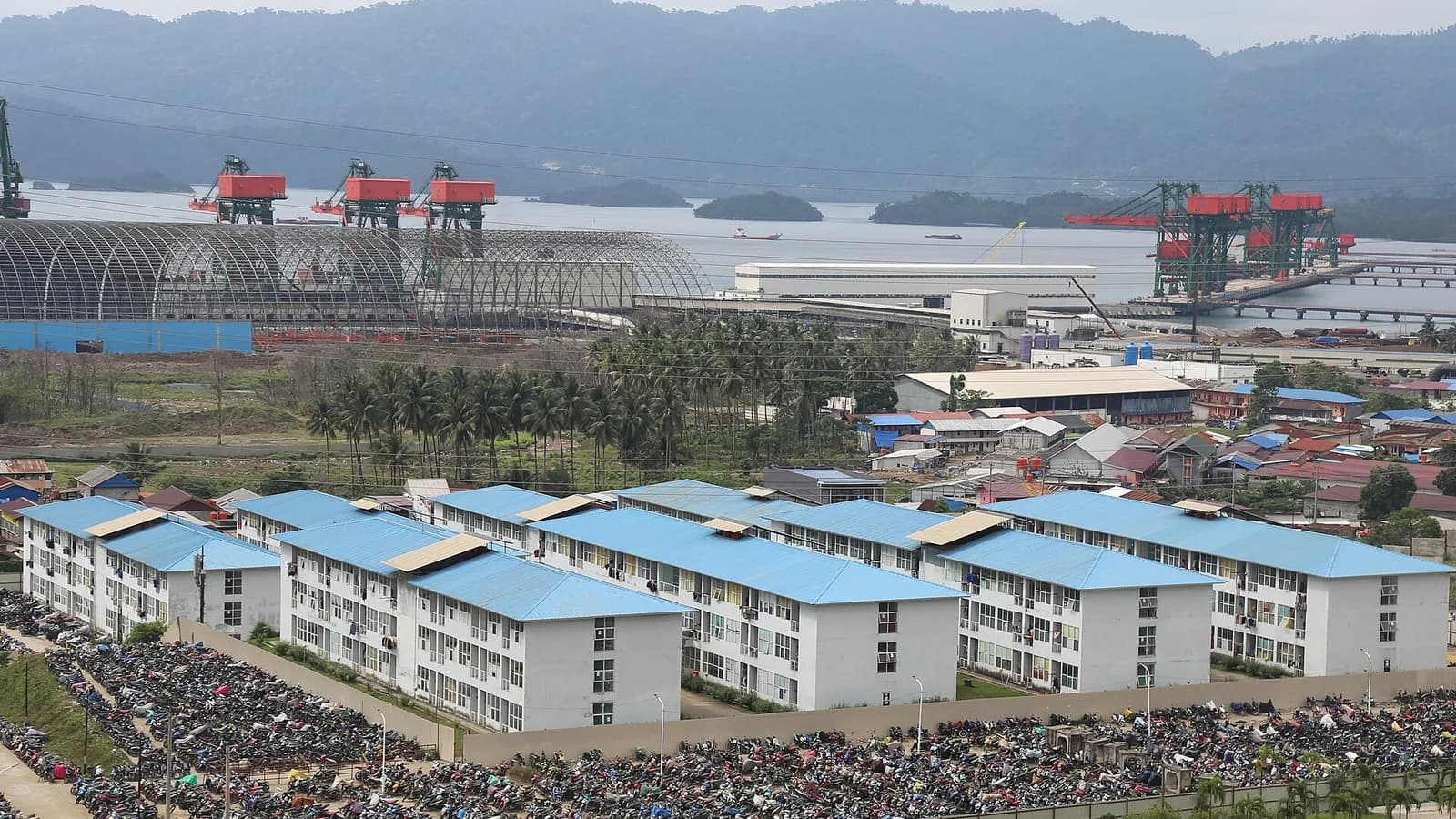
Indonesia designated 47 commodities as critical minerals by ministerial decision in September 2023. Against USGS production data, only a handful are mined at world scale — nickel first, cobalt and tin second — while rare earths, lithium and boron remain exploration work. The instrument, the numbers, and what an investor should check.
RKAB Indonesia: The Annual Plan That Sets How Much a Mine May Produce
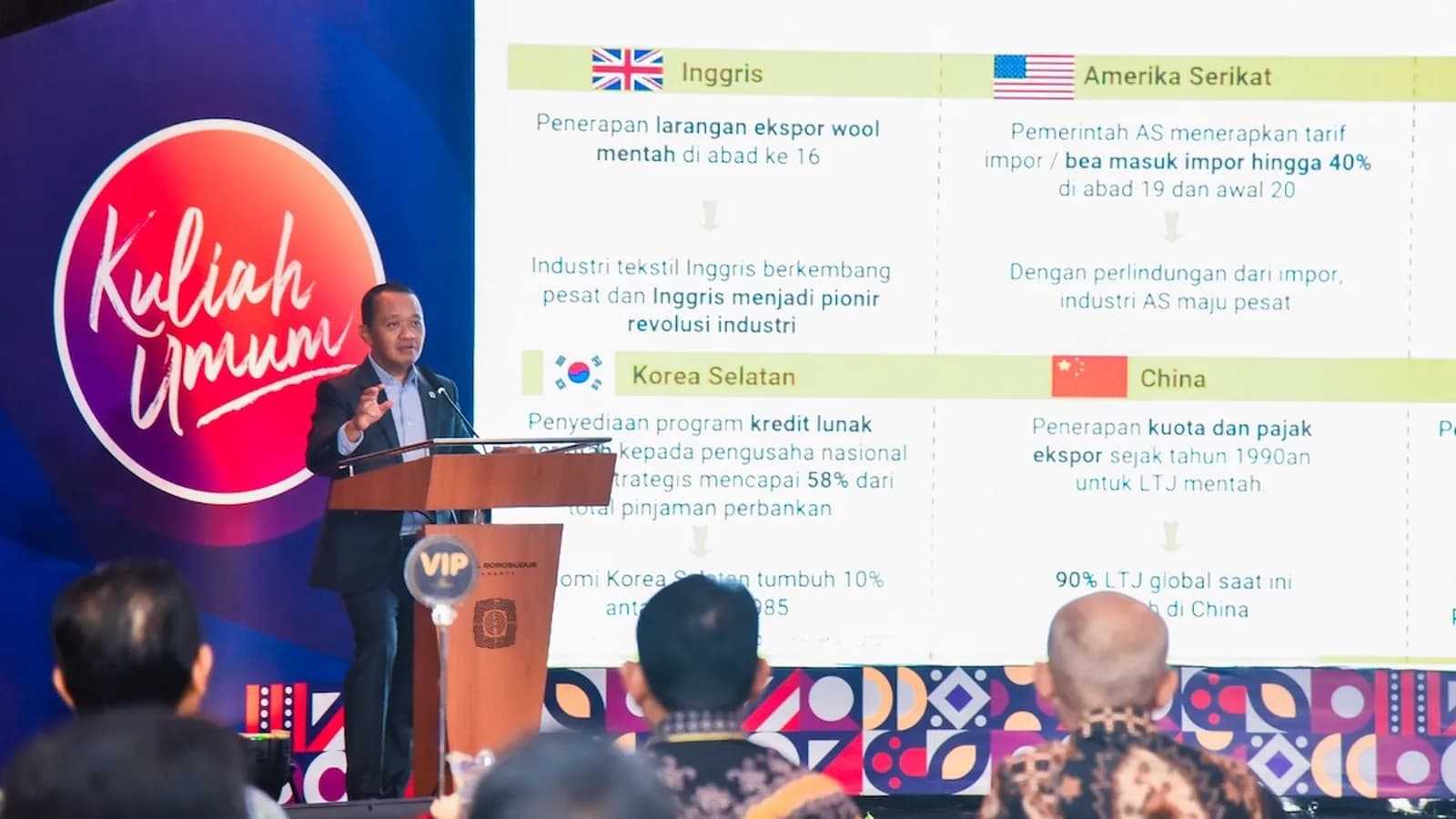
A mining licence in Indonesia decides where you may work. The RKAB decides how much you may produce, where inside that licence, and on what budget — for one year at a time, and only once the ministry approves it. Here is the instrument, its deadlines, and what the rules do to a holder that works without one.
Indonesia Mining Companies: the State Holding, Its Members and the Foreign Operators
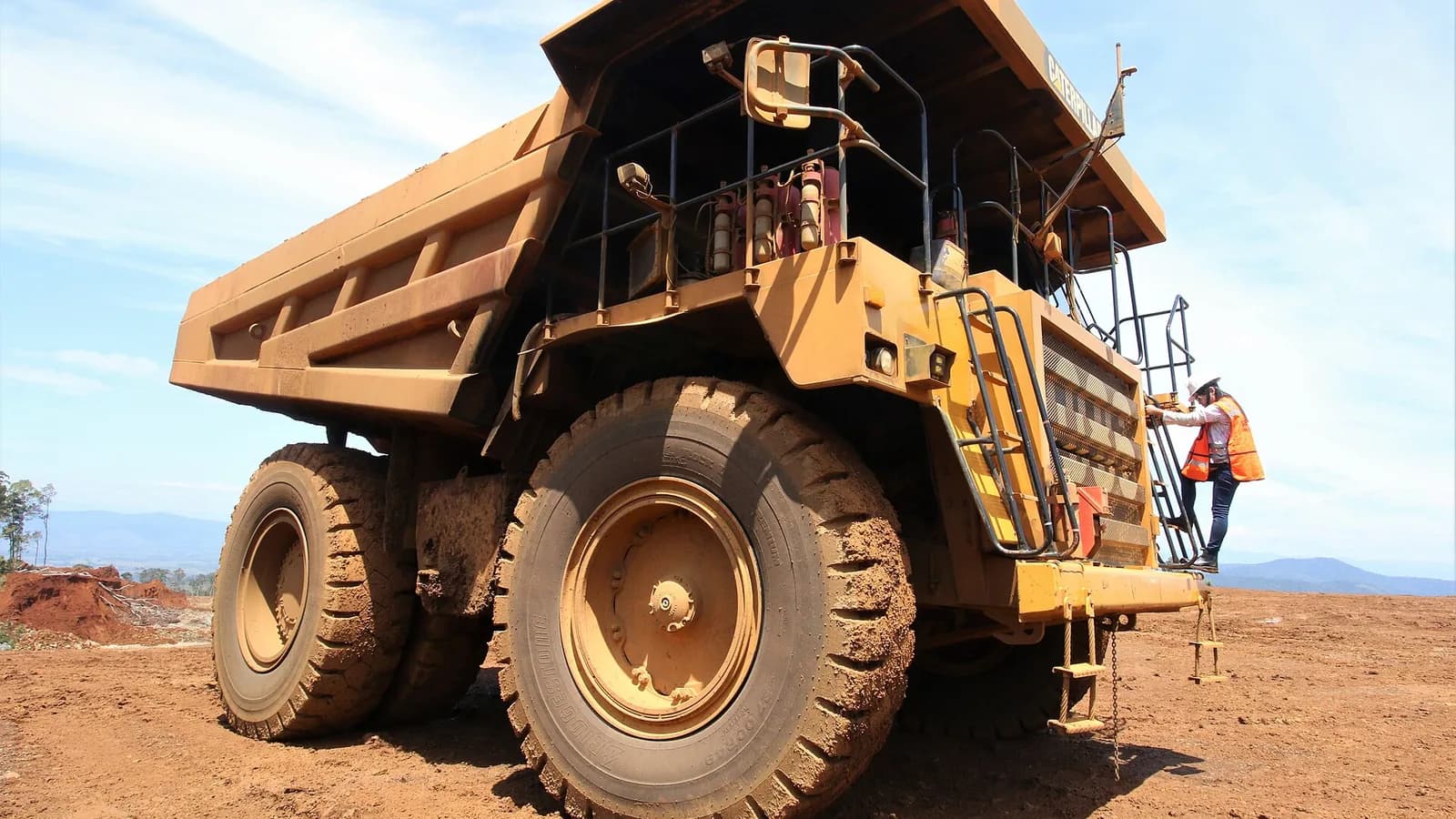
USGS lists five companies inside MIND ID, the state mining holding, while MIND ID's own site now shows six members holding stakes from 34% to 100%. Here is who owns what, what each company produces, and how the foreign-owned operators fit alongside them.
Investing in Indonesian Nickel Mining: What International Investors Should Know
Indonesia is the world's largest nickel producer and the centre of the EV battery supply chain. Here is how foreign investors approach Indonesian nickel projects — and what to verify before committing capital.
Looking for mining investment opportunities in Indonesia?
Browse IUP projects available for take over, joint operation and joint venture on Teramine.
Explore Mining Opportunities