Featured

Indonesia Mining Transport and Logistics: The Haul Road, the Transport-and-Sales Licence and How Mineral and Coal Reach the Buyer
Mining PolicyExplainer

Indonesia Mining Transport and Logistics: The Haul Road, the Transport-and-Sales Licence and How Mineral and Coal Reach the Buyer

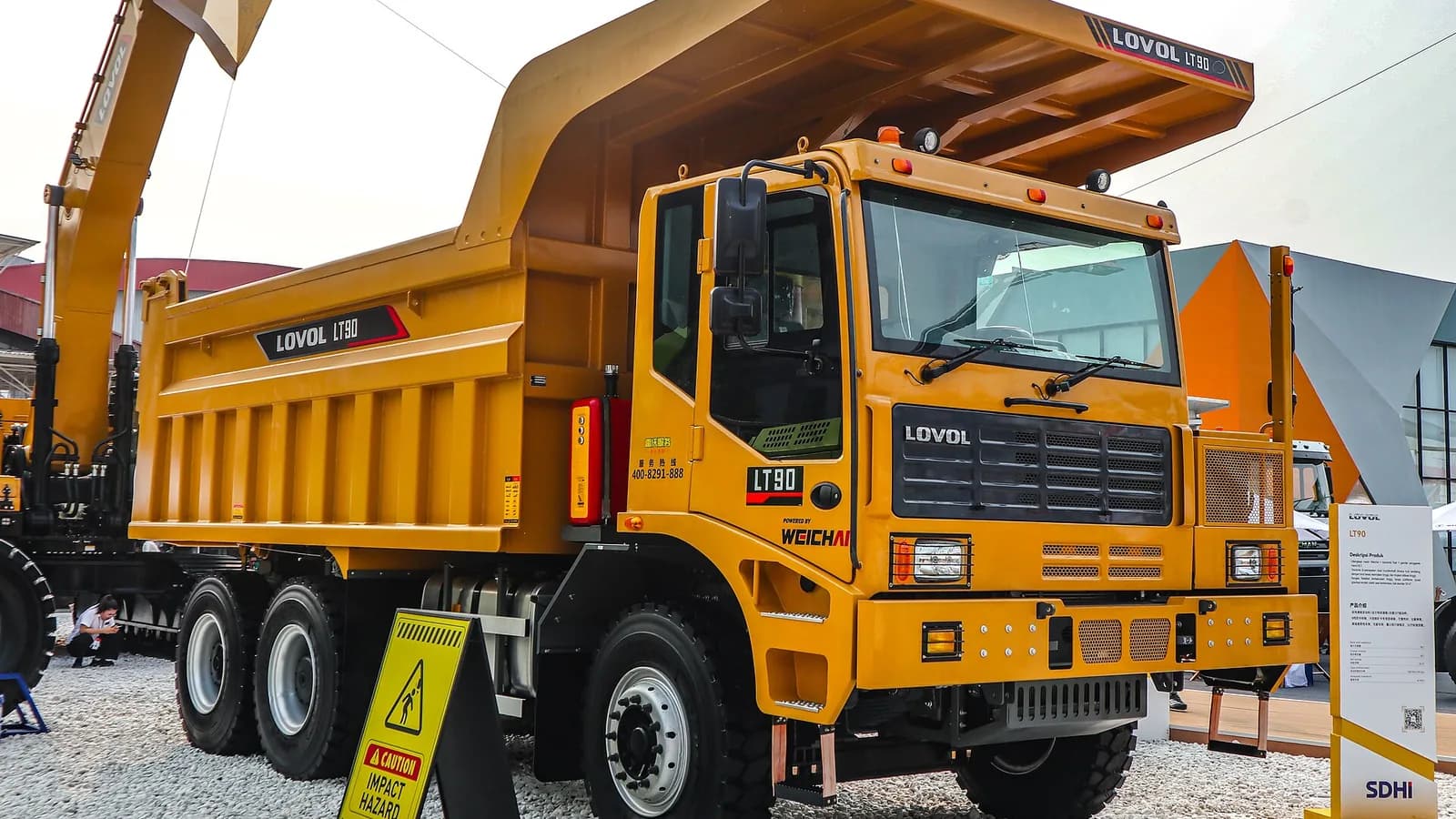
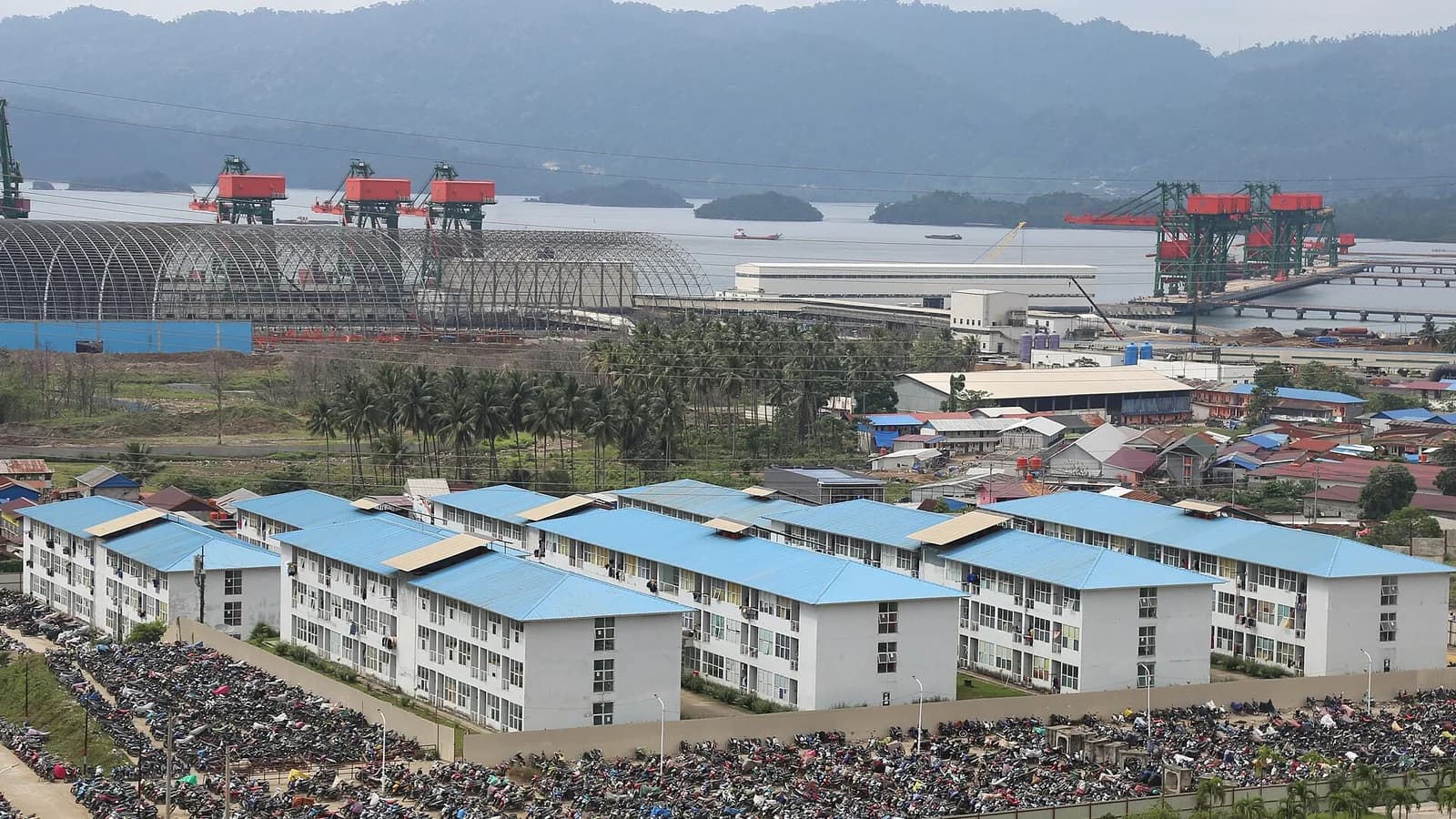
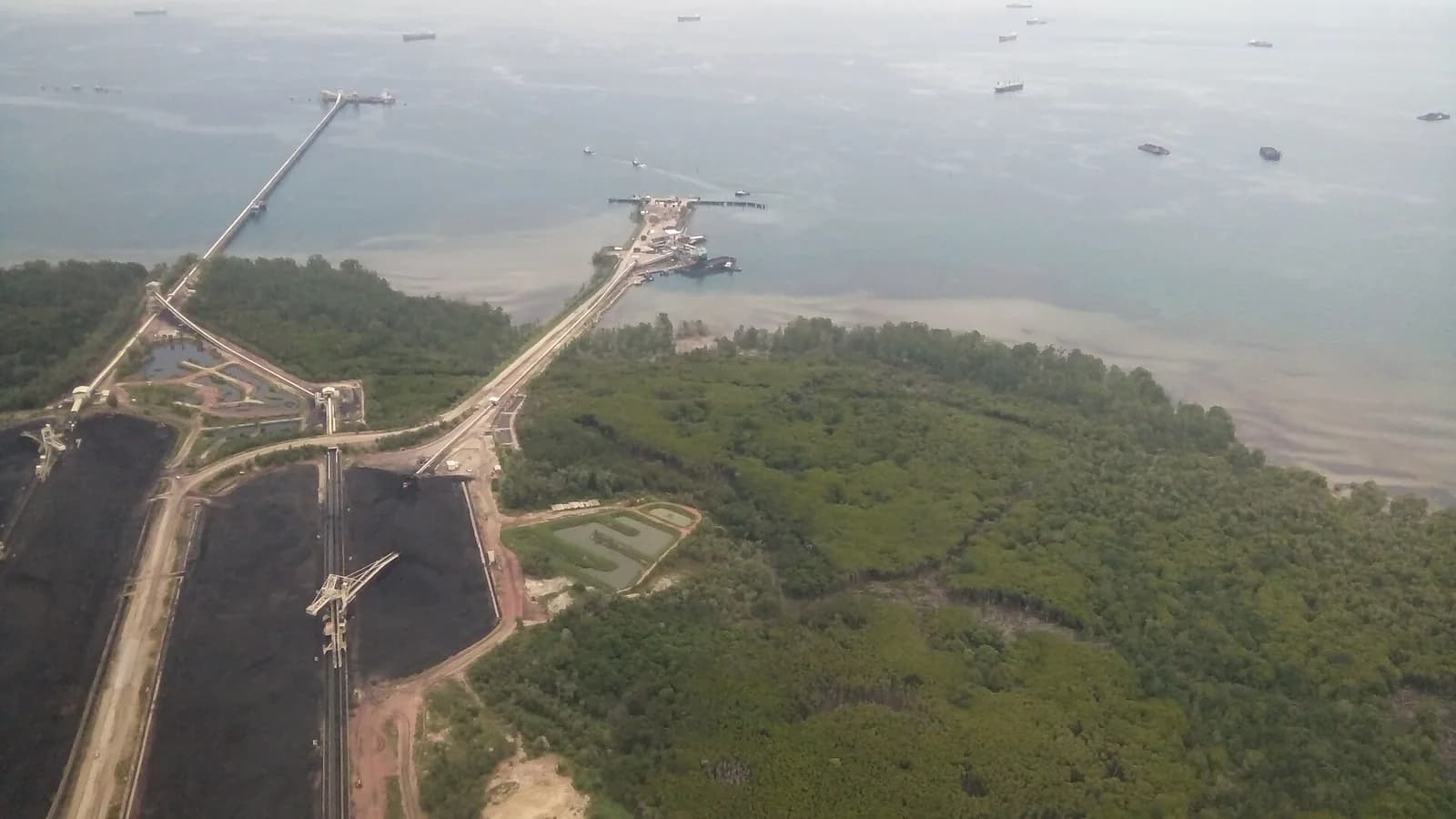
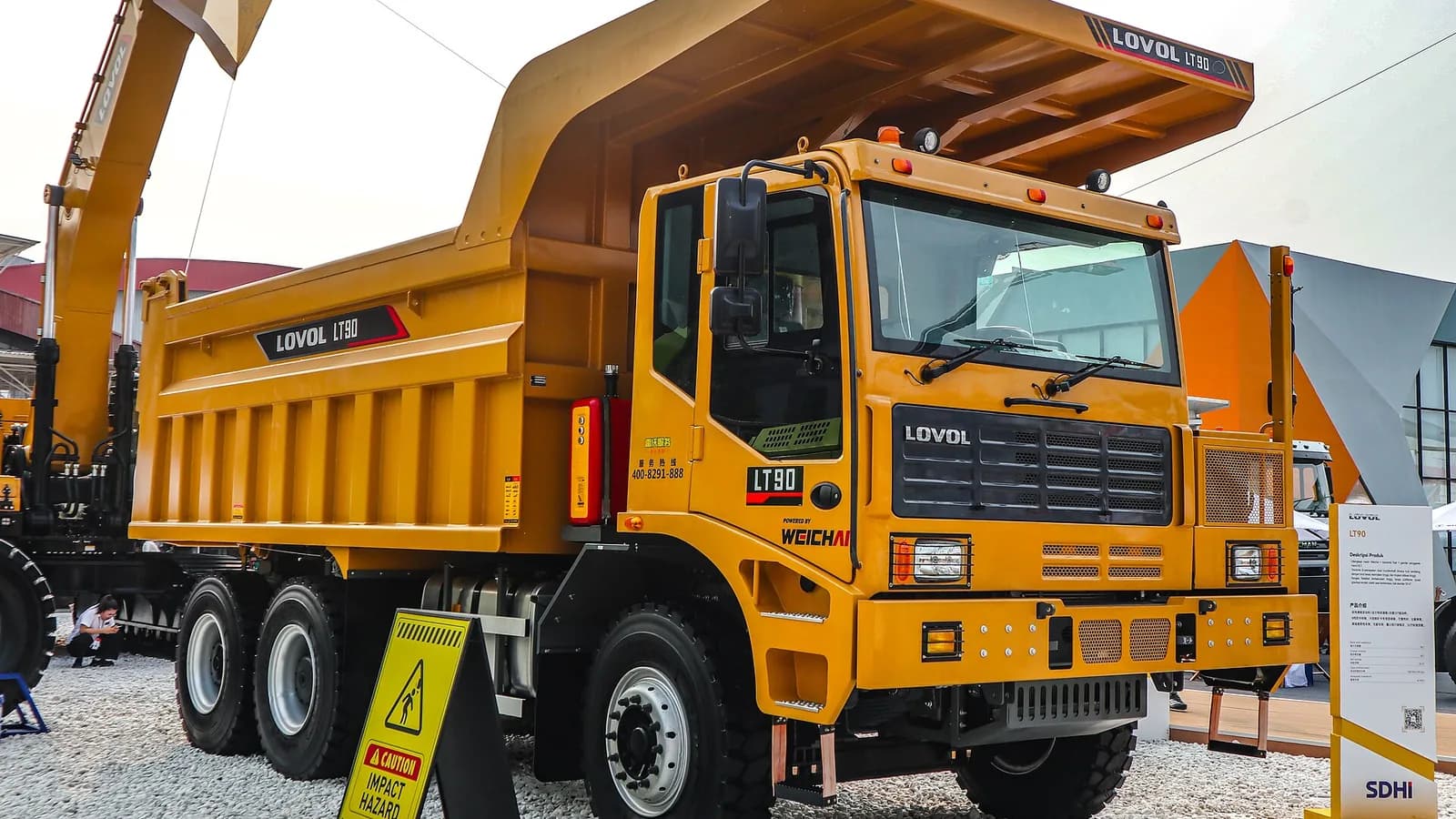
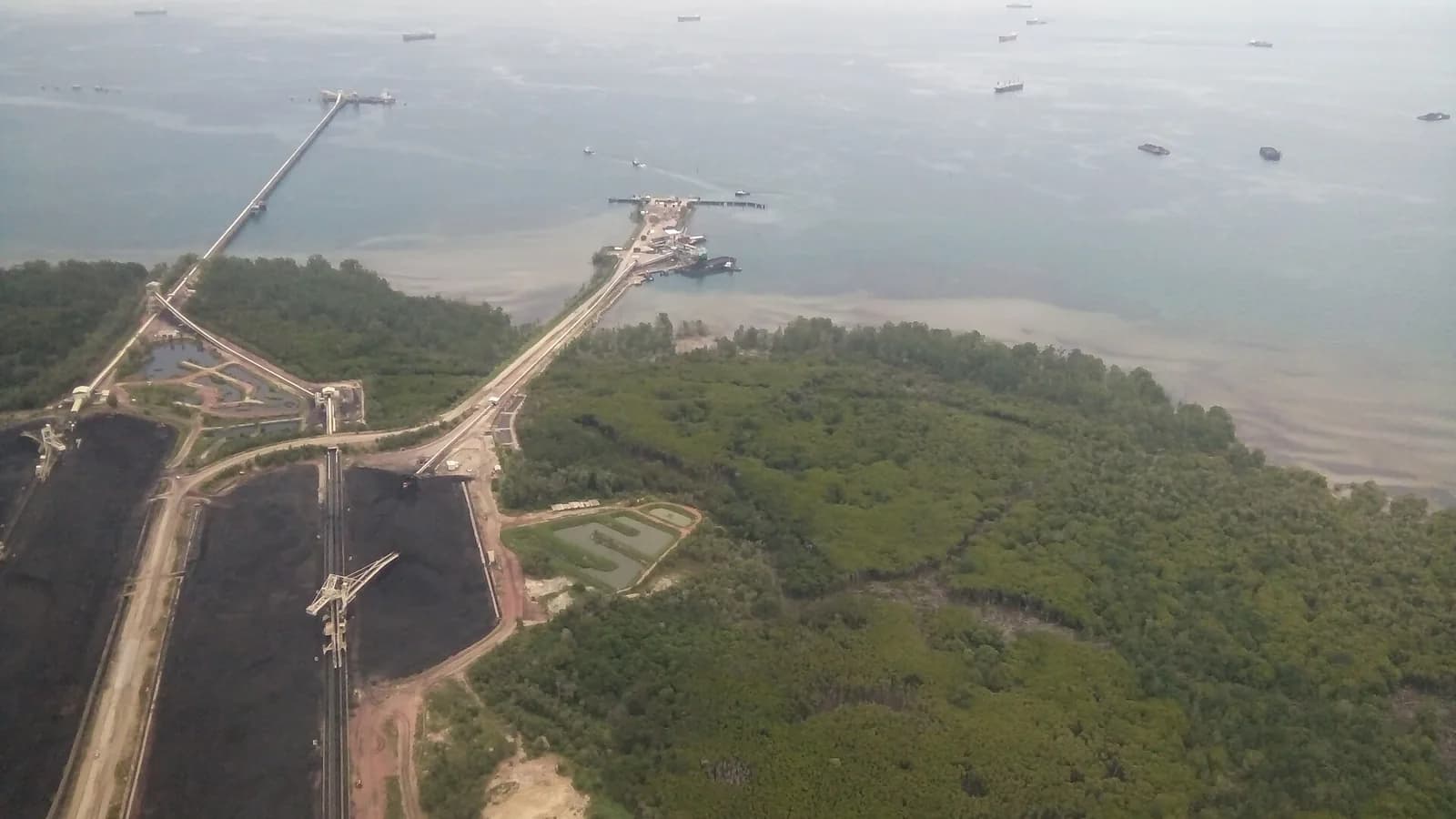
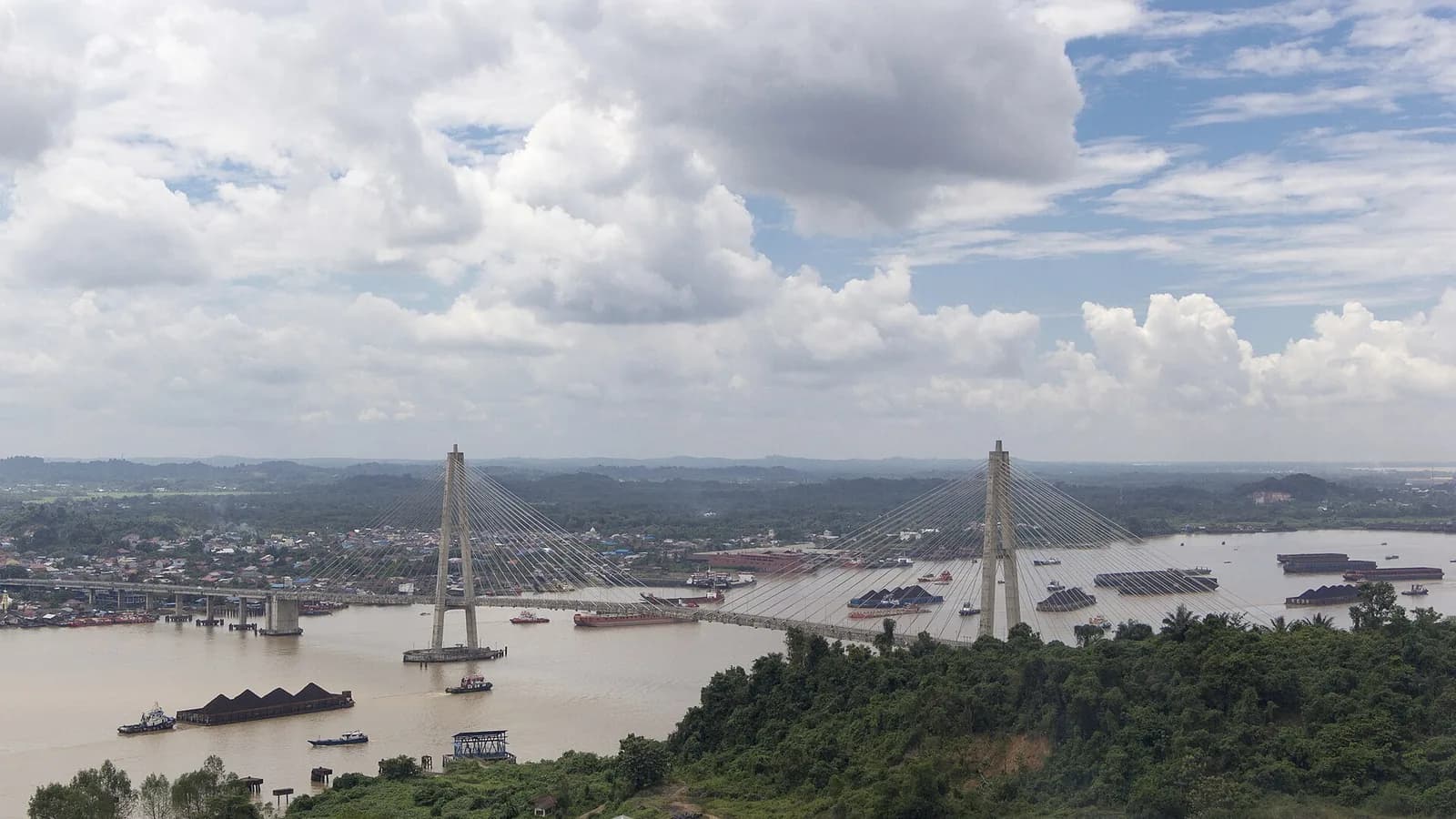
In Indonesia, hauling mineral and coal is itself a licensed stage of the mining business, not a private logistics decision. PP No. 96 of 2021 defines transport and sale as stages of operation, lets an IUP holder that does not haul or sell its own output use an Izin Pengangkutan dan Penjualan holder, sets that licence at five years and tethers it to a source of supply, and treats the mine haul road — and the port or plant that may sit outside the licensed area — as permitted infrastructure. A June 2026 decree then ties the reported movement to the royalty paid on it. This explainer sets out the rules a foreign investor should test when underwriting a project's logistics.

7 Oct 202612 min read
Indonesia Mining Explosives and Blasting Safety: The Magazine, the Blaster and the Blast Duties on an IUP Holder
Mining PolicyExplainer

Indonesia Mining Explosives and Blasting Safety: The Magazine, the Blaster and the Blast Duties on an IUP Holder

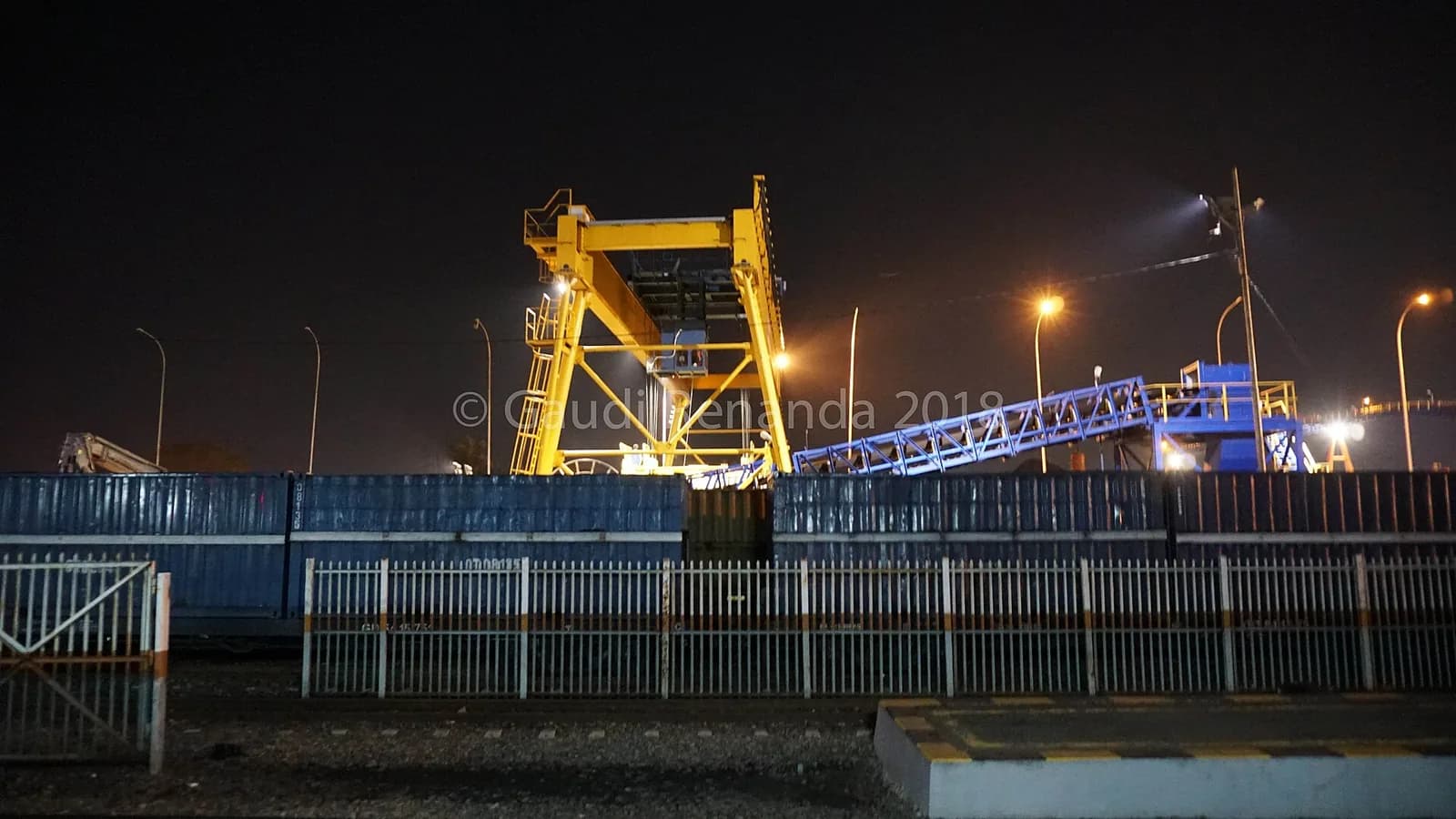
Explosives at an Indonesian mine are a regulated asset from the licensed magazine to the blaster's card to the post-blast check. The good-mining-practice rulebook requires a magazine whose capacity the mine inspectorate approves in writing, storage separated by explosive type, defined safe distances, a licensed blaster (juru ledak) holding a Kartu Izin Meledakkan, a technical study behind the blast design, and a procedure for misfires and sleep blasts — with the blasting-safety duty a listed part of the permit obligation. This explainer sets out the exact requirements under Kepmen ESDM No. 1827 K/30/MEM/2018 and Permen ESDM No. 26 of 2018.

7 Oct 202611 min read

Latest News

37 articles
Indonesia Mining Water Management: The Drainage, Settling-Pond and Acid-Drainage Duties on an IUP Holder
Mining EnvironmentExplainer

Indonesia Mining Water Management: The Drainage, Settling-Pond and Acid-Drainage Duties on an IUP Holder

At an Indonesian mine, water is not an engineering afterthought — it is a set of named duties under the good-mining-practice rulebook. A holder must first study the hydrology, hydrogeology and rock geochemistry, then design drainage channels, settling ponds and pumps to a fixed rainfall standard, and must know whether its waste rock will generate acid drainage before it can be allowed to treat it. This explainer sets out the exact water duties under Permen ESDM No. 26 of 2018 and Kepmen ESDM No. 1827 K/30/MEM/2018 — and why a breach of them is a licence risk before it is an environmental one.

8 Oct 202610 min read
Indonesia Mining Transport and Logistics: The Haul Road, the Transport-and-Sales Licence and How Mineral and Coal Reach the Buyer
Mining PolicyExplainer

Indonesia Mining Transport and Logistics: The Haul Road, the Transport-and-Sales Licence and How Mineral and Coal Reach the Buyer

In Indonesia, hauling mineral and coal is itself a licensed stage of the mining business, not a private logistics decision. PP No. 96 of 2021 defines transport and sale as stages of operation, lets an IUP holder that does not haul or sell its own output use an Izin Pengangkutan dan Penjualan holder, sets that licence at five years and tethers it to a source of supply, and treats the mine haul road — and the port or plant that may sit outside the licensed area — as permitted infrastructure. A June 2026 decree then ties the reported movement to the royalty paid on it. This explainer sets out the rules a foreign investor should test when underwriting a project's logistics.

7 Oct 202612 min read
Indonesia Mining Explosives and Blasting Safety: The Magazine, the Blaster and the Blast Duties on an IUP Holder
Mining PolicyExplainer

Indonesia Mining Explosives and Blasting Safety: The Magazine, the Blaster and the Blast Duties on an IUP Holder

Explosives at an Indonesian mine are a regulated asset from the licensed magazine to the blaster's card to the post-blast check. The good-mining-practice rulebook requires a magazine whose capacity the mine inspectorate approves in writing, storage separated by explosive type, defined safe distances, a licensed blaster (juru ledak) holding a Kartu Izin Meledakkan, a technical study behind the blast design, and a procedure for misfires and sleep blasts — with the blasting-safety duty a listed part of the permit obligation. This explainer sets out the exact requirements under Kepmen ESDM No. 1827 K/30/MEM/2018 and Permen ESDM No. 26 of 2018.

7 Oct 202611 min read
Indonesia Mine Tailings Management: The Design, Water, Monitoring and Closure Duties on an IUP Holder
Mining EnvironmentExplainer

Indonesia Mine Tailings Management: The Design, Water, Monitoring and Closure Duties on an IUP Holder

A tailings storage facility in Indonesia is a regulated structure, not just an engineering one. The good-mining-practice rulebook requires it to be designed, built and operated so it cannot pollute surface or groundwater, carries a mandatory structural-failure mitigation plan and emergency-response system, sits behind a settling-pond and acid-drainage regime, must be monitored against a defined list of parameters, and must be reclaimed at closure. This explainer sets out the exact duties on an IUP or IUPK holder under Permen ESDM No. 26 of 2018 and Kepmen ESDM No. 1827 K/30/MEM/2018 — and why a breach of the environmental duty is itself a listed ground for suspension or revocation.

7 Oct 202611 min read
Indonesia Mining Safety Management System: What an IUP Holder Must Document and Audit (SMKP)
Mining PolicyExplainer

Indonesia Mining Safety Management System: What an IUP Holder Must Document and Audit (SMKP)

Every IUP and IUPK holder in Indonesia — exploration-stage included — must run a documented mining safety management system, SMKP, and have it audited. The duty sits in Ministerial Regulation No. 26 of 2018, its implementation guideline in Ministerial Decree No. 1827 K/30/MEM/2018, and it is supervised by the state's mine inspectors. Breaching it is a listed ground for suspension or revocation. This explainer sets out the legal chain, who must apply the system, the seven elements, how it is documented and audited, and how it is enforced.

6 Oct 202610 min read
Indonesia Mining Community Development: The PPM Obligation on an IUP or IUPK
Mining PolicyExplainer

Indonesia Mining Community Development: The PPM Obligation on an IUP or IUPK

Every IUP and IUPK carries a community-development obligation — PPM, pengembangan dan pemberdayaan masyarakat. It is planned in a master plan built on a province-level blueprint, funded from the holder's own operating cost, carried inside the annual RKAB, and reported to the Minister. Government Regulation No. 39 of 2025 rewrote the chapter. This explainer sets out what the rule now requires, on which document, and how it is enforced.

6 Oct 202610 min read
Indonesia Mineral Reference Price (HMA): How the Monthly Benchmark Is Set
Mining PolicyExplainer

Indonesia Mineral Reference Price (HMA): How the Monthly Benchmark Is Set

Every period the Ministry of Energy and Mineral Resources signs a decree fixing the Harga Mineral Acuan — the HMA, Indonesia's own reference price for nickel, copper, aluminium, cobalt, zinc, lead and the country's other metal minerals. It is not a sale price: it is the base for the Harga Patokan Mineral, the benchmark the state's charges are measured against, and it is built from LME, LBMA and Asian Metal quotes averaged over a fixed window. This article explains who sets the HMA, which commodities it covers, how each figure is constructed, and prints the values from five official decrees we read.

5 Oct 202610 min read
NickelCopperkobaltaluminiumseng
Indonesia Mining Law: What Law 4/2009 Governs and How Its Four Amendments Changed It
Mining PolicyExplainer

Indonesia Mining Law: What Law 4/2009 Governs and How Its Four Amendments Changed It

Every mining licence in Indonesia sits inside one statute — Law No. 4 of 2009 on Mineral and Coal Mining, the Undang-Undang Minerba. Amended four times and most recently rewritten by Law No. 2 of 2025, it decides who controls the ground, which instrument a company may hold, and how long it lasts. This article maps the law as it now stands — the instruments it creates (IUP, IUPK, IPR and the legacy Contracts of Work), who may hold each, and what the 2025 amendment changed — taken from the statutes themselves.

5 Oct 202611 min read
Indonesia's Mining Licence Auction: How WIUP and WIUPK Areas Are Awarded
Mining PolicyExplainer

Indonesia's Mining Licence Auction: How WIUP and WIUPK Areas Are Awarded

Indonesia does not hand out a metal or coal mining licence on application. The state first designates the ground — a WIUP — and awards the area to a winner, historically by public auction and, since a 2025 amendment, also by priority allocation. Here is who runs the auction, who may bid, what a bidder must prove in documents and in cash, and what the winner is actually buying — taken from the regulations themselves.

4 Oct 202611 min read
Indonesia's Coal DMO: The 25% Obligation, the US$70 Price Cap and the RKAB Link
Mining PolicyExplainer

Indonesia's Coal DMO: The 25% Obligation, the US$70 Price Cap and the RKAB Link

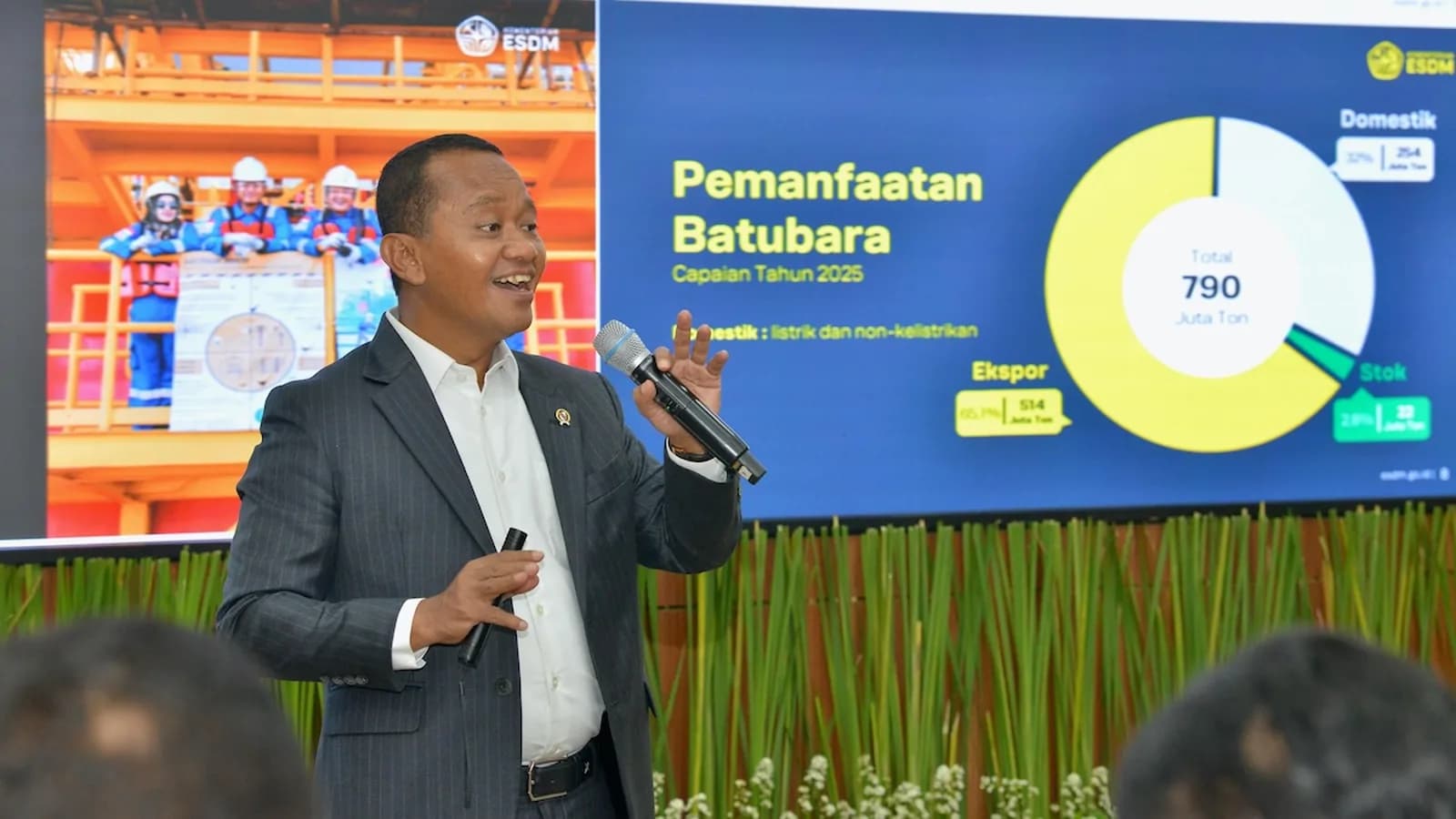
Indonesia requires every coal producer to sell at least 25% of its planned output into the domestic market, and caps the price the power sector pays at US$70 a tonne. In 2025 the domestic share reached 32%, or 254 million tonnes, while the government moved to cut national output for 2026 from 790 million tonnes to about 600 million. Here is how the DMO works, how the ministry measures it against the approved RKAB, and what it means for a miner's economics and an offtaker's supply.

3 Oct 20269 min read
Coal
Indonesia's Downstreaming Phase 2: EV Batteries, BESS, and the New Coordinating Ministry Behind Them
Mining InvestmentNews

Indonesia's Downstreaming Phase 2: EV Batteries, BESS, and the New Coordinating Ministry Behind Them

Indonesia's Investment and Downstreaming Ministry has put a second phase on the table: moving past smelters toward EV batteries, battery energy storage and higher-value manufacturing, under a roadmap of 28 strategic commodities and US$618.1 billion of investment to 2040. On 1 October 2026, President Prabowo placed downstreaming and the energy transition under a single coordinating ministry led by Bahlil Lahadalia. Here is what the government said, and what a foreign investor should take from it.

3 Oct 20268 min read
NickelCritical Minerals
IEU-CEPA: What the Indonesia–EU Trade Deal Means for Mining and Critical-Minerals Investors
Mining InvestmentInvestment

IEU-CEPA: What the Indonesia–EU Trade Deal Means for Mining and Critical-Minerals Investors

Indonesia and the European Union are racing to sign IEU-CEPA before Jakarta loses its EU tariff preferences on 1 January 2027. The investment agenda under the deal points European capital at critical-mineral processing, batteries and downstreaming. Here is the timeline, the tariff arithmetic, and what a mining investor should track.

3 Oct 20268 min read
Critical Minerals
Indonesia's Mining-Services Affiliate Rule: Kepmen ESDM 365/2026 Explained for Investors
Mining PolicyRegulation

Indonesia's Mining-Services Affiliate Rule: Kepmen ESDM 365/2026 Explained for Investors

Ministerial Decree 365.K/MB.01/MEM.B/2026, signed on 18 September 2026, bars IUP and IUPK holders from using their own subsidiaries or affiliates as mining contractors without the Minister's approval. Here is what the decree actually says, who is exempt, and what it means for a foreign-held licence.

2 Oct 20269 min read
Mine Project Financing in Indonesia: How a Project Gets Funded and What a Financier Asks For
Mining InvestmentExplainer

Mine Project Financing in Indonesia: How a Project Gets Funded and What a Financier Asks For

In Indonesian mining the asset is a permit a foreign investor cannot hold directly, the security a lender may take is a closed statutory list rather than anything the parties draft, and a foreign-held licence carries a divestment schedule that starts at first production. Here is how mine and smelting projects are actually funded, read from the project-finance chapter of a Chambers guide, Government Regulation No. 96/2021, and a recent nickel-plant financing.

2 Oct 202611 min read
Mining Equipment Suppliers in Indonesia: The Supply Chain Is Moving Onshore
Mining InvestmentMining Intelligence

Mining Equipment Suppliers in Indonesia: The Supply Chain Is Moving Onshore

In ten weeks of 2026, XCMG broke ground on Indonesia's first overseas remanufacturing base for mining components, LiuGong began building an electric heavy equipment plant in West Java, and Komatsu expanded its Bekasi factory. What the localisation of Indonesia's mining equipment supply chain means for an operator mobilising a fleet — and what no source yet states.

1 Okt 202610 min read
CoalNickel
Mining Labour and Certification in Indonesia: The Post the State Has to Approve
Mining PolicyExplainer

Mining Labour and Certification in Indonesia: The Post the State Has to Approve

Indonesia employs about 1.66 million people in mining and quarrying, but the authority to run a mine belongs to one named person the state must approve first. Here is the Kepala Teknik Tambang gate — four classes, three competency certificates, a language clock for foreign managers, and a hiring order that runs local, then national, then foreign.

1 Oct 202611 min read
Artisanal and Small-Scale Mining in Indonesia: Two Sectors, Three Licences
Mining PolicyExplainer

Artisanal and Small-Scale Mining in Indonesia: Two Sectors, Three Licences

Indonesia does not use the phrase 'artisanal and small-scale mining' in its regulation. What it has instead is a small-scale licence reserved to local residents, a separate permit for rock, and the industrial licence that admits foreign capital — three instruments with three different gates. Here is what separates them, read from the regulation and the USGS yearbook.

1 Oct 20269 min read
Tin
Mining Joint Venture in Indonesia: How JV, Joint Operation and Take Over Differ
Mining InvestmentExplainer

Mining Joint Venture in Indonesia: How JV, Joint Operation and Take Over Differ

Indonesia's implementing regulation treats a share purchase, a permit purchase and a contract to work under someone else's permit as three different transactions. Take over runs through a ministerial approval and then into a divestment timetable; a joint venture is a new permit-holding company that inherits both; a joint operation moves the work but not the licence. Here is what each structure actually touches.

1 Oct 20269 min read
Indonesia's Mining Investment Climate in 2026: Where the Capital Lands, and on What Terms
Mining InvestmentMining Intelligence

Indonesia's Mining Investment Climate in 2026: Where the Capital Lands, and on What Terms

Realised investment in Indonesia reached Rp1,010.6 trillion in the first half of 2026, and Rp300.1 trillion of it was downstreaming — bauxite, nickel, copper, steel and silica sand. Mining's own sub-sector recorded US$6.7 billion of investment in 2025 and Rp108.13 trillion of non-tax state revenue in the eight months to August 2026. This is the climate a foreign investor is actually entering: capital that is welcome, inside a state that is keeping score on its own return first.

30 Sep 202612 min read
Indonesia's Coal Exports: the Value Is Rising, the Tonnage Is Not, and the Door Is Narrowing
Mining PolicyCommodity Update

Indonesia's Coal Exports: the Value Is Rising, the Tonnage Is Not, and the Door Is Narrowing

Coal export value reached US$18.11 billion in January–July 2026, up 8.36 percent year on year, while August shipments fell 23 percent to the weakest August in five years. Indonesia is now managing coal as an export, not merely selling it: ESDM's own data puts 63.82 percent of first-half output into export allocation, and the single-door export system — coal, palm oil and ferroalloys — is due to be fully in force by the end of December 2026.

30 Sep 202610 min read
Coal
Indonesia Mining Royalties: How PNBP Is Built, and Why State Revenue Can Rise as Output Falls
Mining PolicyExplainer

Indonesia Mining Royalties: How PNBP Is Built, and Why State Revenue Can Rise as Output Falls

A mining royalty in Indonesia is not a tax code of its own — it is one of five groups of non-tax state revenue at the energy ministry, and the current rulebook is Government Regulation No. 19 of 2025. Here is how the charge is structured, what the state says it collected in 2025 and 2026, and why the government's own account has receipts climbing while coal output falls.

30 Sep 20268 min read
CoalNickel
Indonesia's Mineral Downstreaming: The Processing Capacity Being Built, Commodity by Commodity
Mining InvestmentMining Intelligence

Indonesia's Mineral Downstreaming: The Processing Capacity Being Built, Commodity by Commodity

Indonesia's downstreaming roadmap runs to 2045; the plant on the ground is narrower and countable. ESDM's own count as of 2024 is 131 nickel smelters at some stage of delivery demanding 438.3 million tonnes of ore a year, three world-class copper smelters heading for about 1 million tonnes of cathode capacity, eight alumina refineries and aluminium smelters still under construction, and a copper fleet expected to yield lead as a by-product. This is the capacity, commodity by commodity, and the ore arithmetic under it.

30 Sep 20269 min read
NickelCopperBauxite
Mine Closure in Indonesia: the Reclamation Obligation, the Guarantee, and What It Costs
Mining EnvironmentExplainer

Mine Closure in Indonesia: the Reclamation Obligation, the Guarantee, and What It Costs

Indonesia does not treat closure as a decision taken at the end of a mine's life. Reclamation is defined as running through every stage of the permit, the state holds a cash guarantee sized per hectare and per province, and nothing is released until the post-mining test is met at 100 per cent. Here is how the regime is built, and what it costs in 2026.

29 Sep 20268 min read
Nickel Smelters in Indonesia: Routes, Capacity and the Ore Constraint
Mining InvestmentMining Intelligence

Nickel Smelters in Indonesia: Routes, Capacity and the Ore Constraint

USGS records 44 Class II nickel smelters in Indonesia consuming 210 million tonnes a year of saprolite in 2023, against three HPAL plants consuming almost 24 million tonnes of limonite. Output is dominated by nickel pig iron — 1.39 million tonnes of nickel content that year, about eight times the mixed hydroxide precipitate. Here is the plant, route by route, and the ore arithmetic behind the plan to stop building more of the first kind.

29 Sep 202612 min read
Nickel
Foreign Ownership in Indonesian Mining: What the PT Vale Cap Table Shows About Licence Tenure
Mining PolicyExplainer

Foreign Ownership in Indonesian Mining: What the PT Vale Cap Table Shows About Licence Tenure

In Indonesian mining, shareholding and the mining licence are administered as one subject. Indonesia Business Post reported in August 2023 that PT Vale Indonesia had to sell shares to the state holding company MIND ID before its IUPK could be extended, citing Article 112 of Law No. 3/2020; Vale now records MIND ID at 34 percent and Vale Canada at 33.9 percent, with its IUPK running to 28 December 2035. Here is what the documents show, and what they do not.

29 Sep 202610 min read
Nickel
Indonesia's Mineral Export Ban: What the Nickel and Bauxite Prohibitions Actually Produced
Mining PolicyMining Intelligence

Indonesia's Mineral Export Ban: What the Nickel and Bauxite Prohibitions Actually Produced

Indonesia prohibited exports of unprocessed minerals from January 2014, then applied the ban commodity by commodity: nickel ore from 1 January 2020, bauxite from June 2023, copper concentrate exempted to May 2024. USGS records the result — ferronickel exports at US$15 billion and intermediate nickel products near US$7 billion by 2023, bauxite export value down to US$68 million, and a surplus market that cut the nickel price 11 percent in 2025.

28 Sep 202612 min read
NickelBauxiteCopper
Critical Minerals in Indonesia: 47 on the List, Three at World Scale
Mining PolicyMining Intelligence

Critical Minerals in Indonesia: 47 on the List, Three at World Scale

Indonesia designated 47 commodities as critical minerals by ministerial decision in September 2023. Against USGS production data, only a handful are mined at world scale — nickel first, cobalt and tin second — while rare earths, lithium and boron remain exploration work. The instrument, the numbers, and what an investor should check.

28 Sep 202610 min read
Critical MineralsNickel
Tin Mining in Indonesia: The World's Second-Largest Producer and Its State Miner
Mining InvestmentMining Intelligence

Tin Mining in Indonesia: The World's Second-Largest Producer and Its State Miner

Indonesia mined an estimated 61,000 tonnes of tin in 2025, second only to China, on reserves now published at 1.4 million tonnes. Where the metal comes from, who produces it, and why mined and smelted output are not the same number.

28 Sep 20267 min read
Tin
Bauxite Mining in Indonesia: What the 2023 Export Ban Changed
Mining PolicyMining Intelligence

Bauxite Mining in Indonesia: What the 2023 Export Ban Changed

Indonesia stopped exporting bauxite ore on 10 June 2023 and the ban is still standing. USGS reported the same year's output as 32 million tons, then 9.9 million tons. Here is the regulation as written, the production record edition by edition, the refineries built to absorb the ore, and what the sources do and do not say.

27 Sep 202612 min read
Bauxite
RKAB Indonesia: The Annual Plan That Sets How Much a Mine May Produce
Mining PolicyExplainer

RKAB Indonesia: The Annual Plan That Sets How Much a Mine May Produce

A mining licence in Indonesia decides where you may work. The RKAB decides how much you may produce, where inside that licence, and on what budget — for one year at a time, and only once the ministry approves it. Here is the instrument, its deadlines, and what the rules do to a holder that works without one.

27 Sep 202612 min read
CoalNickel
IUP vs IUPK: Indonesia's Two Mining Licences and What Separates Them
Mining PolicyExplainer

IUP vs IUPK: Indonesia's Two Mining Licences and What Separates Them

Indonesian mining runs on two operating licences: the IUP and the IUPK. One sits on ground the state offers; the other exists because a strategic reserve was released or a Contract of Work ended. Here is what each is, who may hold one, and why the difference decides what an investor can actually acquire.

27 Sep 20269 min read
Indonesia Mining Companies: the State Holding, Its Members and the Foreign Operators
Mining InvestmentMining Intelligence

Indonesia Mining Companies: the State Holding, Its Members and the Foreign Operators

USGS lists five companies inside MIND ID, the state mining holding, while MIND ID's own site now shows six members holding stakes from 34% to 100%. Here is who owns what, what each company produces, and how the foreign-owned operators fit alongside them.

27 Sep 20268 min read
NickelCopperTinBauxiteCoalGold
Copper Mining in Indonesia: Output, Smelters and the Concentrate Export Question
Mining PolicyMining Intelligence

Copper Mining in Indonesia: Output, Smelters and the Concentrate Export Question

USGS estimates Indonesia's copper mine output fell to 710,000 tonnes in 2025 from 1,010,000 tonnes in 2024 while refined output rose. Here is where the metal comes from, what is being built to process it, and how the concentrate export position is governed.

26 Sep 20267 min read
Copper
Coal Mining in Indonesia: Output, Exports and the Quota Policy Reshaping Production
Mining PolicyMining Intelligence

Coal Mining in Indonesia: Output, Exports and the Quota Policy Reshaping Production

Indonesia is the world's largest thermal coal exporter, and it is now deliberately producing less. Here is the data behind the shift, and what the RKAB quota policy means for coal permit holders.

26 Sep 20266 min read
Coal
How to Buy a Mine in Indonesia: Permits, Diligence and Deal Structure
Mining InvestmentExplainer

How to Buy a Mine in Indonesia: Permits, Diligence and Deal Structure

Buying a mine in Indonesia means buying a permit and a geological hypothesis. Here is what to verify before commercial terms are worth discussing, and how take over, joint operation and joint venture differ.

26 Sep 20266 min read
Gold Mining in Indonesia: Where the Metal Comes From and Who Produces It
Mining InvestmentMining Intelligence

Gold Mining in Indonesia: Where the Metal Comes From and Who Produces It

Indonesia produced an estimated 90 tonnes of gold in 2025 and holds about 3,600 tonnes of reserves. Here is how the country's gold sector is structured, and why output moves the way it does.

26 Sep 20265 min read
Gold
Investing in Indonesian Nickel Mining: What International Investors Should Know
Mining InvestmentMining Intelligence

Investing in Indonesian Nickel Mining: What International Investors Should Know

Indonesia is the world's largest nickel producer and the centre of the EV battery supply chain. Here is how foreign investors approach Indonesian nickel projects — and what to verify before committing capital.

26 Sep 20265 min read
Nickel

Trending Topics

  • Indonesia21
  • Indonesia Mining Regulation11
  • Nickel11
  • Downstreaming10
  • IUP8
  • RKAB7
  • Coal6
  • Mining Investment6
Daily Digest

Get the Indonesian mining briefing

Enter your email to receive a digest of Indonesian mining news, regulation and opportunities. Free, unsubscribe any time.

We store your email only to send this digest. It is not shared with anyone else.

Looking for mining investment opportunities in Indonesia?

Browse IUP projects available for take over, joint operation and joint venture on Teramine.

Explore Mining Opportunities